By Ashley Berry
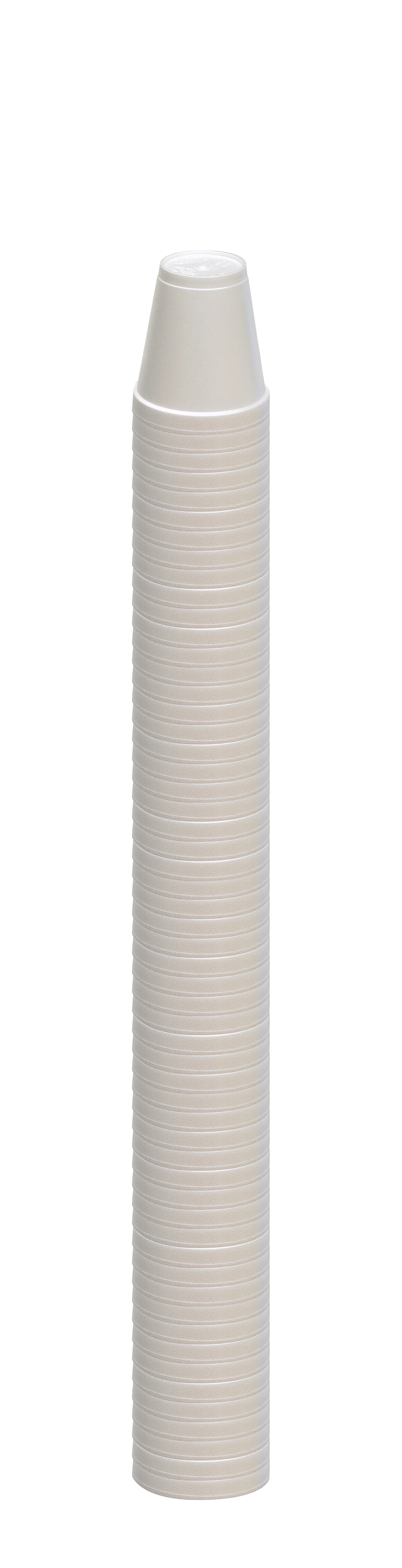 Recently, Colgate University’s Student Government Association banned the use of Styrofoam on their campus. They did this by changing the bylaws that governed their Budget Allocation Committee. Specifically, they are not allowing the use of any funds from the Budget Allocation Committee to be used for the purchase of Styrofoam products. All that really means is that if, for example, your resident hall is making smoothies as an activity, the cups just can’t be Styrofoam. It’s a very small change that has a very large impact. Whole cities and towns in Maine like Freeport and Portland, and big cities like New York City, have bans on Styrofoam containers.
Everyone has heard of Styrofoam. It’s a petroleum-based product that is relatively commonplace and can be seen in a variety of places. It is most often seen in single-use drink cups and to-go containers for food. A main component in Styrofoam is Polystyrene and in 1987 the Environmental Protection Agency named 57 hazardous chemicals released in the production of Polystyrene, which have a wide range of negative health and environmental effects.
You can see discarded Styrofoam containers littering the waters and the ground, carelessly left by people who may not realize how damaging the cumulative effects of all those seemingly simple acts are. Although Polystyrene may break up and get smaller it is not biodegradable and therefore never goes away. It sits in landfills, fills our oceans and clogs up our waterways. It can cause many health issues for marine life, choking them and clogging their digestive systems. Considering Maine is a coastal state with many of us either relying on the marine life as a source of livelihood or simply enjoying the many pleasures and immense beauty of the ocean, we should take great care to make sure we do not pollute their home.
In addition to the hazardous byproducts from manufacturing Polystyrene, exposure has been labeled as hazardous by the EPA. The Environmental Protection Agency stated that the effects on humans can include mucous membrane and eye irritation, central nervous system dysfunctions, headache, fatigue and gastrointestinal effects. Also, there are epidemiological studies whose results have suggested a link between Polystyrene exposure and lymphoma and leukemia.
The SMCC Beacon would like to publicly announce its commendation of Colgate University and their efforts to help the environment. We at the SMCC Beacon would like to challenge our Student Senate to do the same and ban Styrofoam on campus. The location of our campus alone should make the health of marine life and the environment a top concern. We also would like to challenge the Student Senate to go a step further by enacting an initiative along with the ban to teach students about the importance of recycling and how detrimental these products are to our environment. This would strengthen and be a great accompaniment to the ban on Styrofoam.
A great aspect to this initiative would be to encourage a “bring your own” program, in which students are encouraged to bring reusable cups or water bottles for their beverages instead of always using single-use cups. Although we’re not suggesting that these single-use cups and the like should be completely unavailable, encouraging these reusable items would be a step towards helping the environment and would make SMCC a more eco-friendly place.
Categories: Calendar
 The SMCC Beacon