Breanna Penney
“You strike a woman, you strike a rock” — Zulu proverb
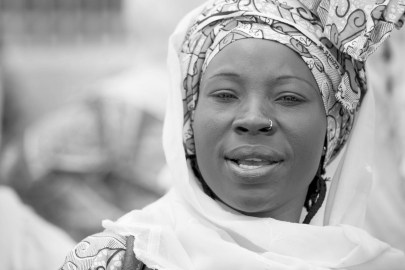
National Women’s Day in South Africa is a trademark of equality. Annually in the summertime, the DRC (Democratic Republic of Congo) community in Maine hosts a celebration in Portland. It’s hardly advertised. Usually, most people hear about it through word of mouth, or after the celebration takes place. However, as quietly as National Women’s Day comes and goes, it’s one of the loudest voices for African women today.
On Aug. 9, 1956, twenty thousand South African women took part in a protest in front of the parliament building in Pretoria against the government’s “pass laws.” The pass laws required all black citizens to carry a passport around with them at all times. These documents contained general physiological information, as well as number ranks based on each person’s additional rights. And as it turned out, gender had a huge impact on the ranking system: Men were always ranked higher than women. Sarah Matima describes, “Even today, gender equality is a big issue in Africa, especially in the DRC. Most African tribes see women as birth givers and nurturers to children, while men hunt and protect. It’s a very ancient hunter and gatherer, but relevant in the traditional communities in Africa.”
It wasn’t long before the outrage of thousands of South African women turned into a protest. The country itself tried to discourage the protest by shutting down public transits and buses in surrounding area. However, women from far and wide, some carrying children on their backs, traveled miles by foot to stand against gender inequality. Several women showed up at the seat of government with petitions totaling over 100,000 signatures and handed them to the Prime Minister’s secretary. You could hear the words “Wathint’ abafazi, wathint’ imbokodo” — “You strike a woman, you strike a rock” — resounding through the town. It was recorded that a little over 20,000 women attended the protest.
Although the women’s bravery won the fight, they lost the battle. In fact, it wasn’t until 39 years later that National Women’s Day become an official holiday in South Africa. Around that time, in 1995, South Africa had just become a democratic country. The shift in government may have contributed to the recognition of National Women’s Day — but even if that’s true, we still owe it to the ladies. So, as the event continues to brush past our feet, African women’s rights and equality are slowly on the rise every year.
Inspired by an SMCC student.
Categories: Calendar
 The SMCC Beacon