
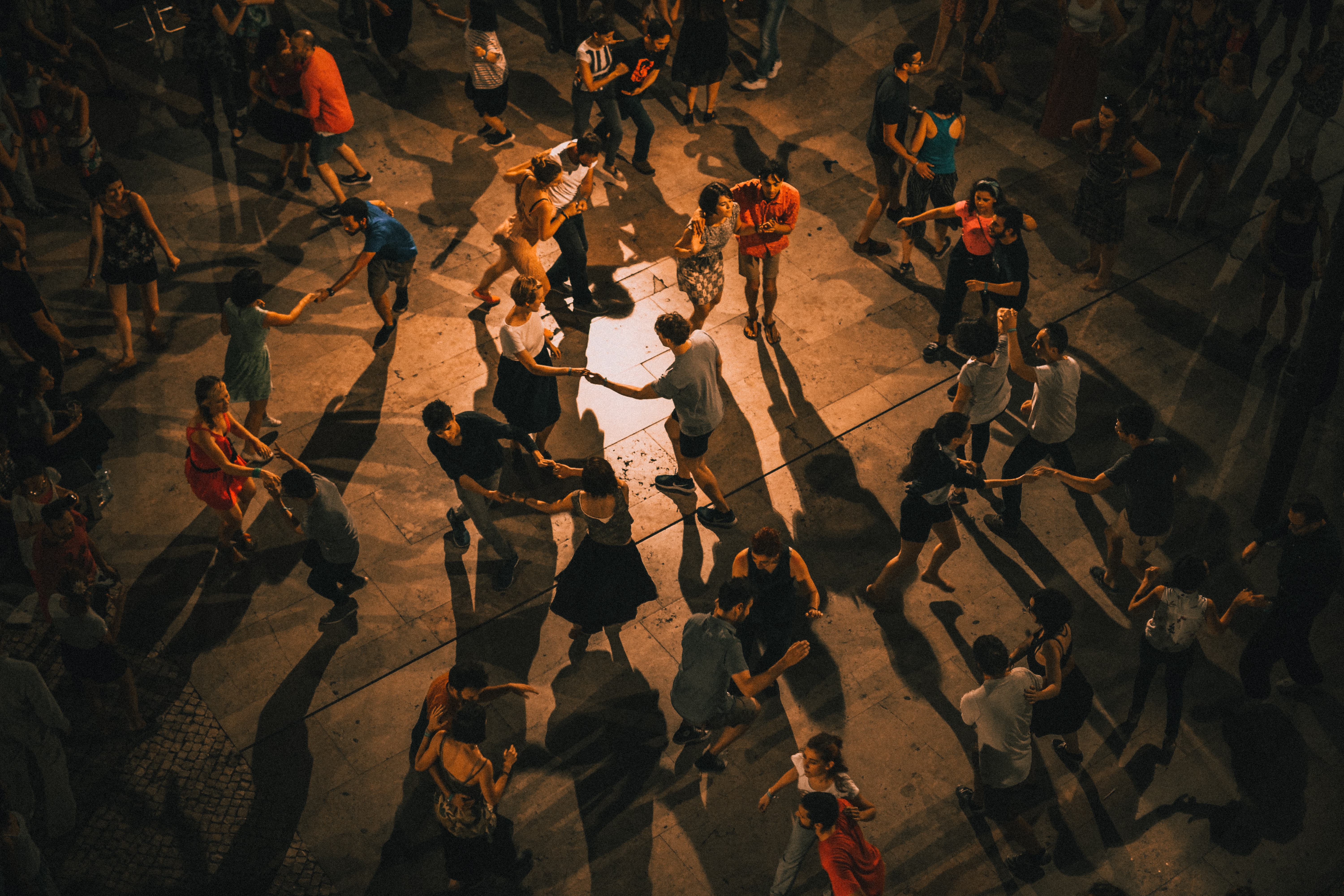
Dance is an art form that has been enjoyed for centuries across the world and used for purposes such as socialization, cultural expression and entertainment. Research by the American Dance Therapy Association suggests it can also have a significant, positive impact on both mental and physical health. According to the National Institutes of Health, dancing can provide a variety of health benefits, including improving cardiovascular health, balance, coordination, and flexibility.
For those who don’t consider themselves to be artistic, dance offers a creative outlet through movement and music. It allows for the release of pent-up emotions such as anger, sadness or joy.
In terms of physical health, dancing is an excellent form of exercise. A study published in the Journal of Physical Activity and Health found that regular dance practice can lead to increased cardiovascular fitness, muscle strength, and endurance. Another study published in the Journal of Aging and Physical Activity found that dancing can help to improve balance and reduce the risk of falls in older adults. Regular dance practice can lower the risk of heart disease, stroke, and diabetes.
Dancing can also provide mental health benefits. This is likely due to the fact that dancing encourages the release of endorphins, which are natural mood boosters. Additionally, dancing can provide a sense of social connection and community since it’s often performed within groups or with a partner, which can help to reduce feelings of loneliness and isolation. Many communities offer dance classes or social dance events, such as salsa nights or swing dancing parties. These events can be a great way to get out of the house, try something new, and meet new people.
Dance also has therapeutic usage. Dance therapy has been used to treat a variety of mental health conditions, including depression, anxiety, and post-traumatic stress disorder (PTSD). According to the American Dance Therapy Association, dance therapy can help individuals improve their self-awareness, reduce stress and anxiety, and improve their overall quality of life.
Learning and performing a new dance routine can provide a sense of achievement that can boost motivation levels and improve self-esteem. Additionally, dance can boost cognitive function because it requires concentration, memory, and quick decision-making skills.
Overall, the benefits of dance for both mental and physical health are clear. Whether you’re a seasoned dancer or just starting out, dancing is an excellent way to stay active and improve your well-being. Consider joining a dance class or finding a local dance group in your area to reap the many benefits that dancing has to offer.
There are numerous options for dance classes offered in the Portland area, ranging from contemporary dance, hip hop, swing, salsa, bachata, tap, ballet, and many more. Sign up today! Hope to see you on the dance floor.
Categories: Arts & Culture
 The SMCC Beacon