
On March 23rd, 2023, a train derailment occurred in North Dakota, causing significant damage to the surrounding area and raising concerns about the safety of the nation’s rail infrastructure. The incident, which occurred near the town of Grafton, ND, involved a train carrying hazardous materials, including crude oil and chemicals used in fracking.
According to initial reports, the derailment was caused by a faulty track switch, which caused the train to derail and spill its cargo. The incident resulted in a large fire, which burned for several hours and caused extensive damage to nearby buildings and property. Several people were injured in the incident, and the area was evacuated as a precautionary measure.
The North Dakota train derailment is just the latest in a series of similar incidents that have occurred across the country in recent years. In 2013, a train carrying crude oil derailed in Lac-Megantic, Quebec, causing a massive explosion that killed 47 people and destroyed much of the town. Since then, there have been numerous other incidents involving trains carrying hazardous materials, raising concerns about the safety of the nation’s rail infrastructure.
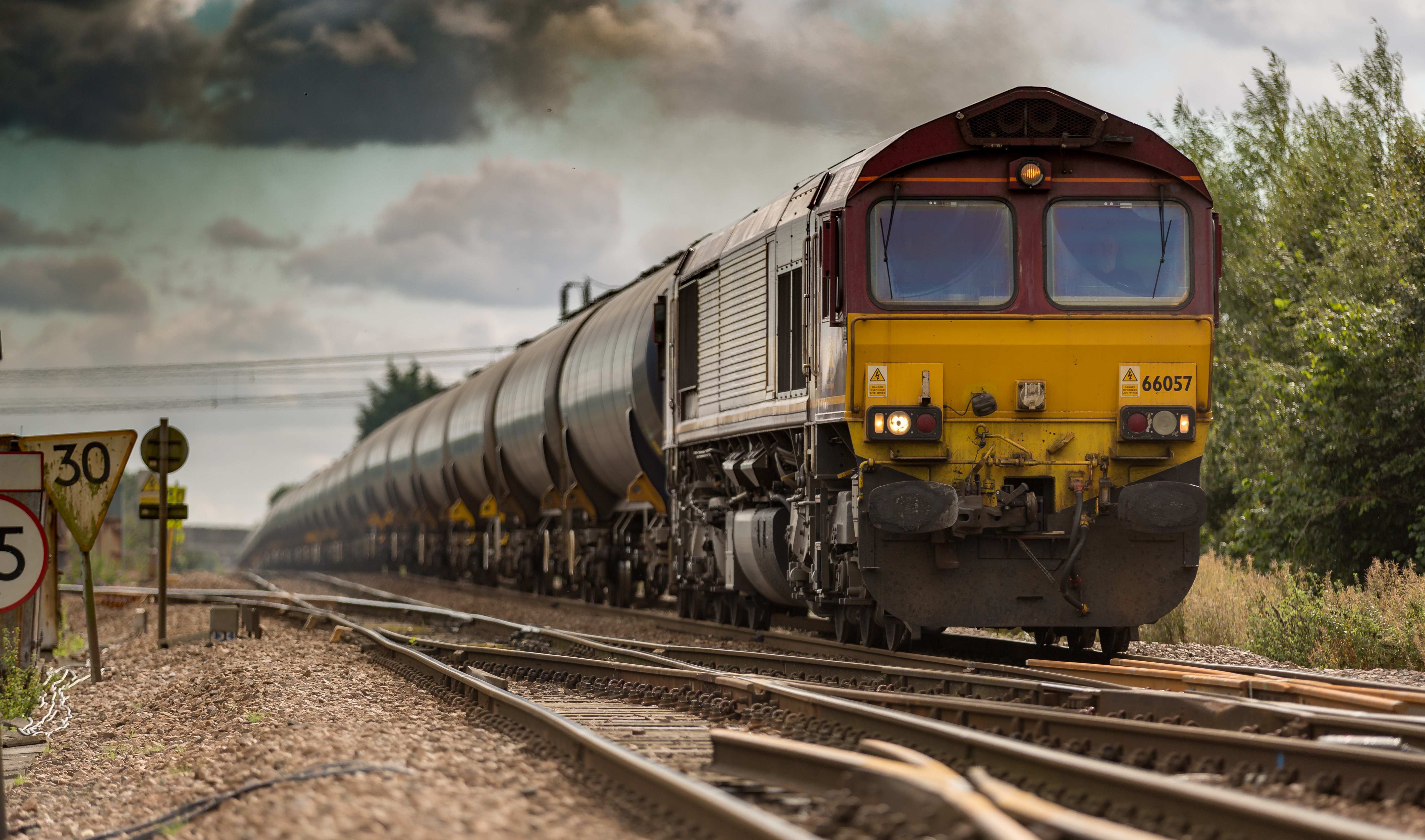
One of the biggest concerns surrounding train derailments is the potential for environmental damage. The chemicals and oil that are often transported by trains can be highly toxic and can cause significant harm to local ecosystems. In the case of the North Dakota derailment, there were concerns about the potential for the spilled chemicals to contaminate nearby water sources.
The incident has also raised questions about the safety of transporting hazardous materials by rail. While trains are generally considered a safe mode of transportation, there have been numerous incidents in recent years that have called this into question. In addition to the Lac-Megantic disaster, there have been several other high-profile incidents involving trains carrying hazardous materials, including a derailment in Virginia in 2014 and a train explosion in West Virginia in 2015.
One of the reasons that trains carrying hazardous materials are so vulnerable to accidents is that they often travel through densely populated areas. This puts people and property at risk in the event of a derailment or other incident. In addition, the sheer volume of materials that are transported by rail means that the potential for a catastrophic event is high.
Another issue that has been raised by the North Dakota derailment is the safety of the nation’s rail infrastructure. While the cause of the derailment is still under investigation, there have been concerns about the state of the tracks and other equipment used by the railway company. In recent years, there have been numerous reports of aging infrastructure and a lack of investment in rail safety, raising concerns about the potential for future accidents.
To address these concerns, many have called for increased investment in rail safety and infrastructure. This could include upgrading tracks, replacing outdated equipment, and improving training and safety protocols for railway employees. Some have also called for stricter regulations on the transportation of hazardous materials by rail, including requirements for stronger tank cars and more rigorous safety inspections.
Until 2013, it was known that trains in Maine carried crude oil, the same oil the train in North Dakota was transporting when it derailed. The Portland Press Herald reported, “Millions of gallons of crude oil from the nation’s heartland are crossing Maine in railroad tank cars bound for a Canadian oil refinery.” Just two years later, in 2015, Reuters says, “Maine will no longer disclose to the public any details about shipments of crude oil by rail through the state.”
Ultimately, the North Dakota train derailment serves as a stark reminder of the potential dangers of transporting hazardous materials by rail. While the cause of the incident is still under investigation, it is clear that more needs to be done to ensure the safety of the nation’s rail infrastructure. Whether through increased investment, stricter regulations, or other means, it is essential that steps be taken to prevent future accidents and protect the safety of people and the environment.
Categories: Politics
 The SMCC Beacon