by Jayde Page
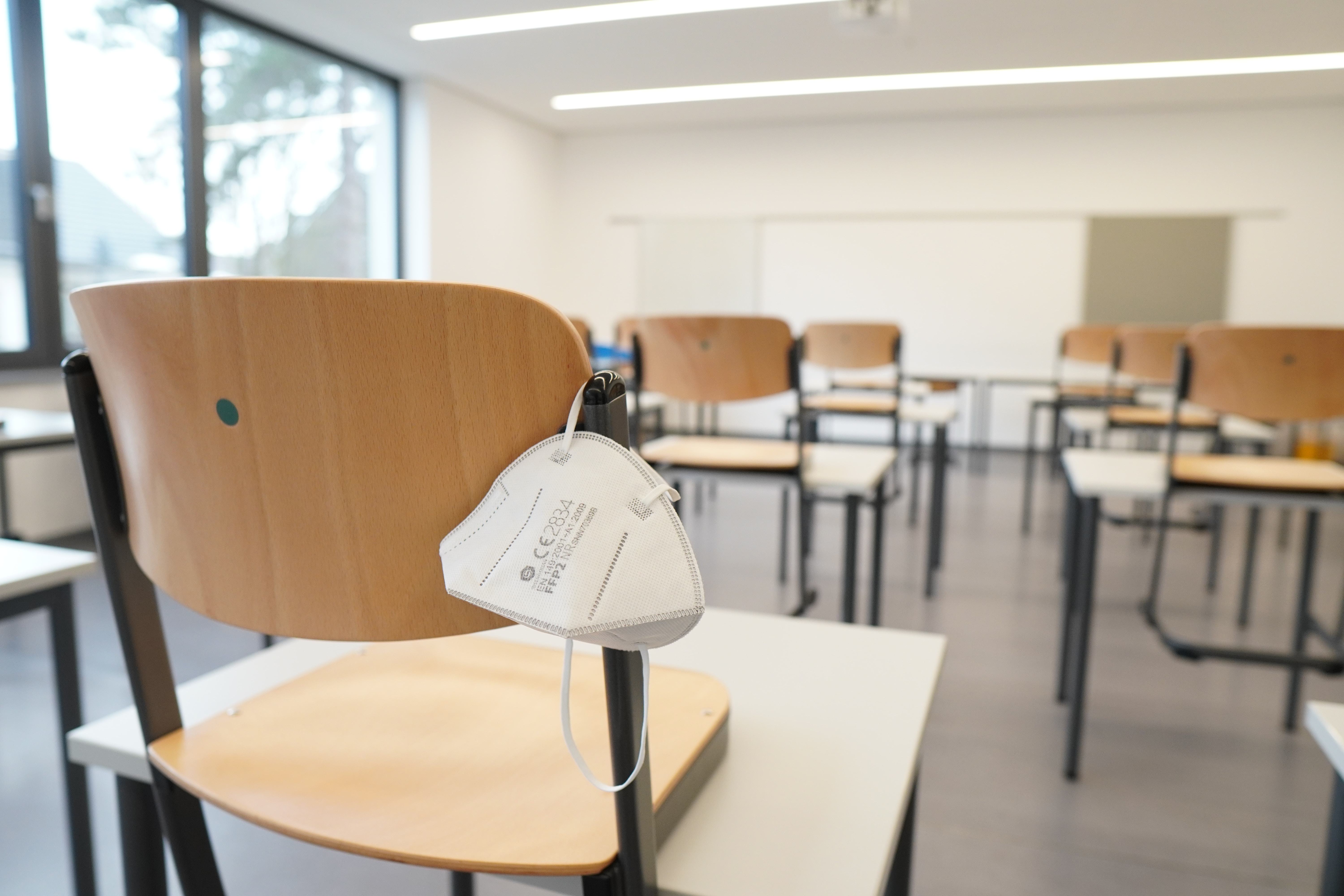
Lecture halls were empty, and fewer students decided to log in from their couch.
The recent pandemic was frightening when so many American families initially worried about the costs of food, energy, and housing as employers were forced to shut their doors. While the bread aisles were cleared, parents would support each other by gifting baby formula and others began to hoard toilet paper. College students who retreated home were welcomed with open arms to stay safe inside their childhood rooms, but should it have been conditioned with staying enrolled in school?
Colleges quickly switched over to online courses and promoted learning from home because the coursework, open discussions, and social aspects of college are equally important during a pandemic. Students should feel they are making the right decision to adapt with remote learning when situations like this arise, even when adults get other ideas. Harvard University, our country’s first college, was also one of the first colleges to require students to leave campus, though there were no discovered cases of the infection. The Dean gave students five days to vacate (Khurana, 2020). Slumlords have been known to give better notice. Before comforting students about their future, the college encouraged students to take a break from their studies during the pandemic and the University published many articles on the benefit of a gap year on their own website. Behavior like this from colleges may have reduced the number of graduates today and pushed teachers to follow. According to Brookings, 42% of teachers considered leaving their profession during the pandemic (Zamarro, et. al). We might start to think twice when we make decisions based on anxiety.
Luana Marques, a psychologist and president of the Anxiety and Depression Association of America, shared in an interview about the pandemic on CNN, “Anxiety, as a biological response, is a state of fight or flight” (Smith, 2020). It may be difficult to lean towards fighting, but fighting for an education is the only thing that a college student needs to do. Without college, these young adults will be ill-prepared to take on more inevitable future challenges. Parents have been too loose when allowing their children to return home without staying enrolled in online courses. What’s more, I wonder how parents expect dropouts to react during the next pandemic. Will they stay home as nonessential workers too, struggling to feed their future families? Will they be prepared to help find new vaccinations, or a cure? Learning is necessary, even during a pandemic, and especially because of a pandemic.
Within the last month, COVID-19 vaccine protocols have been dropped from Maine Community Colleges while the University of Maine system followed quickly behind. This may have been a response to the declining cases seen in Maine, or the increasing number of students who have not enrolled since these protocols were made. Either way, we need to see a rise in Maine undergraduates to continue our plans for a stronger economy and green future.
References
Khurana, Rakesh. “An Important Message from Harvard College.” Harvard College, 10 Mar.
2020, https://college.harvard.edu/about/deans-messages/important-message-harvard-
college-0.
National Student Clearinghouse. “Undergraduate Credential Earners Declined for the First Time
in a Decade.” National Student Clearinghouse, 16 Mar. 2023,
Smith, Jen Rose. “Anxiety Makes Us Bad Decision-Makers. Here’s How to Do Better Even If
You’re Worried about Everything.” CNN, Cable News Network, 9 July 2020,
https://www.cnn.com/2020/07/09/health/anxiety-decision-making-coronavirus-wellness/index.html.
Zamarro, Gema, et al. “How the Pandemic Has Changed Teachers’ Commitment to Remaining in
the Classroom.” Brookings, Brookings, 9 Mar. 2022,
Categories: OpEd
 The SMCC Beacon