
What does it feel like to touch the sky? This question ran through my mind as I stepped onto the grounds of Maine Instrument Flight in Augusta, Maine. It would be here that I was going to make that first initial move to lift my lifelong dream of flight from fantasy into the clear blue above.
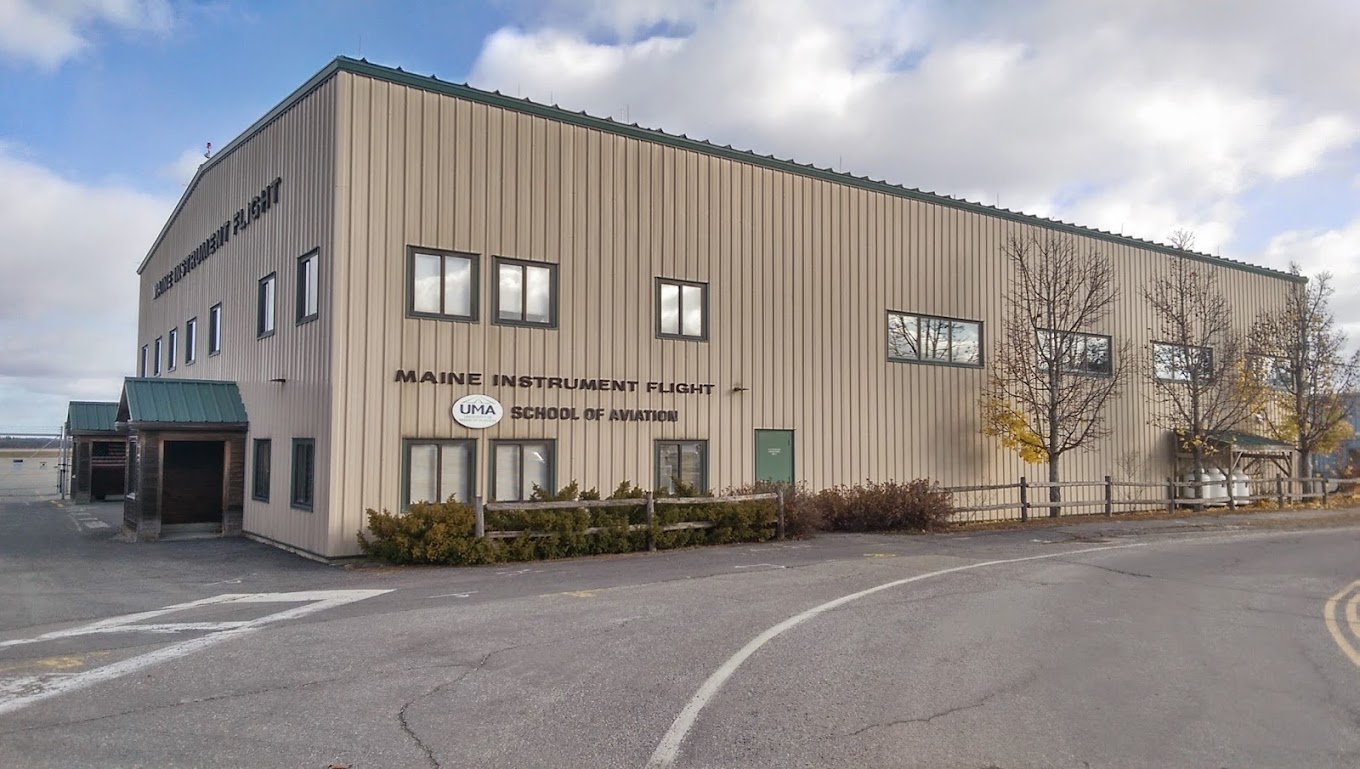
Image source
Maine Instrument Flight is a unique and rather tranquil environment, the kind of calm that is out of place in an airport—no roaring engines, no hurried voices, only the quiet hum of a few distant aircraft. The early morning fog clung to the ground, softening the sounds and making the airfield almost surreal. It was to be a peaceful start to contrast the excitement that bubbled inside of me.
My first real aviation experience was about to begin. First things first: the preflight inspection-the real thing, not just a perfunctory walkaround. My instructor took me through every critical step, making sure I knew why safety was so important. On our way to the sleek Beech B19 Musketeer Sport he handed me a barf bag with a smile and said, “Nausea is a faithful companion for many new flyers.”.
We went through the motions as though in some sort of ritual performance: checking contaminants in the fuel, tire pressure, and ensuring that the control surfaces-rudder, ailerons, and elevator-were in perfect working order. It was as if the steps made some sort of rite of passage, a hands-on initiation into a world of piloting where attention to detail is everything.
The real lesson began inside the cockpit. My instructor introduced me to the classic ‘six-pack’, the essential flight instruments all pilots must master. He explained how the airspeed indicator measures the plane’s speed, the altimeter tracks our altitude, and the attitude indicator shows whether we are level or tilting in the air.

Next, he pointed out the rudder pedals at our feet, which were there to help turn the plane left or right. There was also the flaps lever beside the seat, important for adjusting lift at takeoff and landing. Finally, there was the throttle,used to adjust our speed, which was smooth from years of use. Among this array of tools, I felt what it really meant to fly-balancing all these elements together to keep us safely aloft in the air.
With the checks complete in the cockpit, the thrill of flight was just a throttle-push away. Strapped into the pilot’s seat, a mix of anticipation and excitement surged through me. Filling the cockpit with its roar, I laid hands on the throttle and yoke, ready to bridge the gap between theory and reality. My instructor’s calm voice took me through, and together we propelled the aircraft down the runway. The instant of takeoff was electrifying. As I felt the plane lift off the ground, my nervous energy transformed into a feeling of exhilarating freedom.
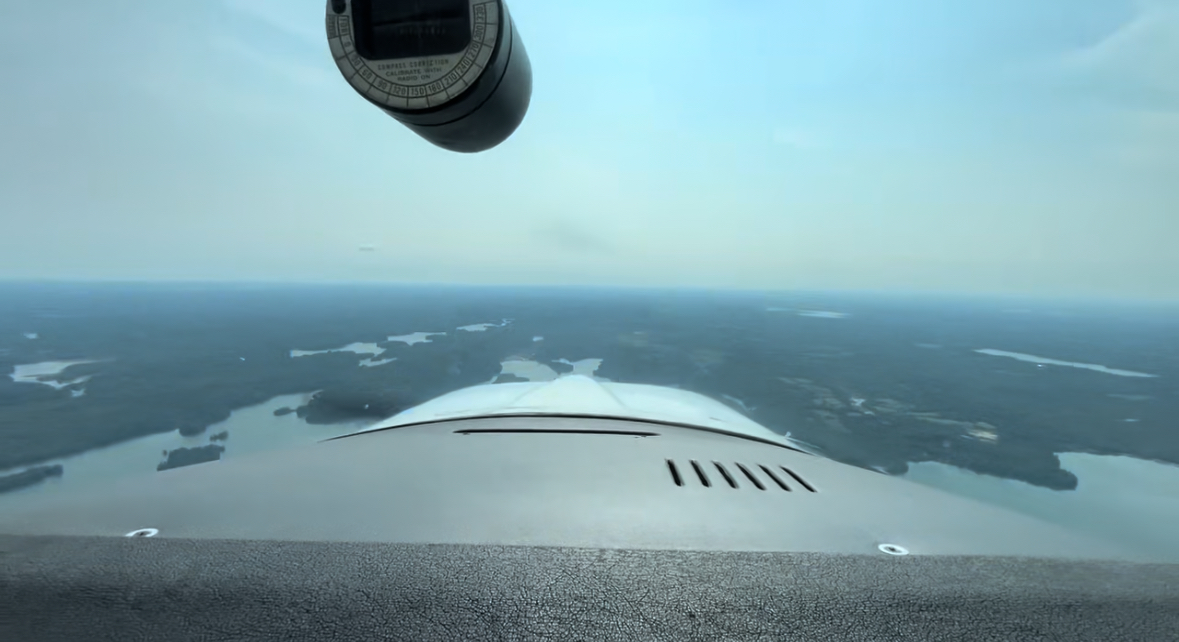
As we rose to 3,000 feet, the Maine landscape unfolded beneath us, becoming a breathtaking tapestry of greens and blues around Cobbosseecontee Lake. At this height, the lake mirrored the vast, cloud-sprinkled sky-a view to take any onlooker’s breath away. The aircraft’s yoke was in my hand, and to me, it wasn’t just taking a passenger on the ride of life but actually getting in command. Every turn in the wind,- was a moment where theoretical knowledge was put into real action, inching me closer toward mastery of the skies. everything, every turn and every rise, seemed like an assurance that you can do it, you can fly.
Through most of the flight, my instructor kept control of the communications while closely monitoring all the critical parts of our journey so that I could safely feel out the steering and the controls. Once we had completed a few maneuvers over Cobbosseecontee Lake, he guided me through an attempt to handle the controls to approach, then expertly took over for landing—very important support since landing is more complex than takeoff and this was my first time flying.

For those, like me, who dream of turning aviation from a passion into a career, Maine Instrument Flight offers more than just an introductory experience. They provide a real opportunity to help you reach those heights. Yes, aviation is expensive—there’s no avoiding that. But this is where dreams take flight, and if you’re serious about pursuing a career in aviation, they can guide you every step of the way.
Maine Instrument Flight offers a Commercial Pilot License program for students to log the necessary hours and skill to enter the industry. The minimum flight time for your Commercial Rating under FAA Part 141 is 190 hours, but most students will take longer. Of course, this does depend on individual progress and application.
Obtaining a license as a commercial pilot is not quick or cheap. On average, students spend about $80,000 to $90,000 to complete their CPL with a frozen Airline Traffic Pilot Licence (ATPL)-a very important point in one’s aspirations regarding work in aviation. All these costs seem high , but that is the investment one is making into a-promising career with a lot of adventure, responsibilities, and a completely new look at the world.
Another route is available for those who would like to combine this practical training with earning a university degree. Maine Instrument Flight has an association with the University of Maine at Augusta in the form of a Bachelor of Science in Aviation. Students can earn four-year undergraduate degrees, combining academic coursework with flight training that opens opportunities in piloting and management within the aviation field. If you’re interested, full tuition is available on the UMA website.
It is not just about learning to fly, going to higher education, and acquiring your CPL; it is about growing that confidence to take the controls-not just of an airplane, but of your life. Each hour taken up in the air moves one closer to that reality, and for students like myself, it was more than a first exposure.It was the beginning of something much larger: the pursuit of a lifelong dream.
Categories: Featured, Uncategorized
 The SMCC Beacon
Amazing story, I’d love to hear more about it. Here’s my email: dezimarie30@gmail.com
LikeLike