
Photograph credit: https://pixabay.com/
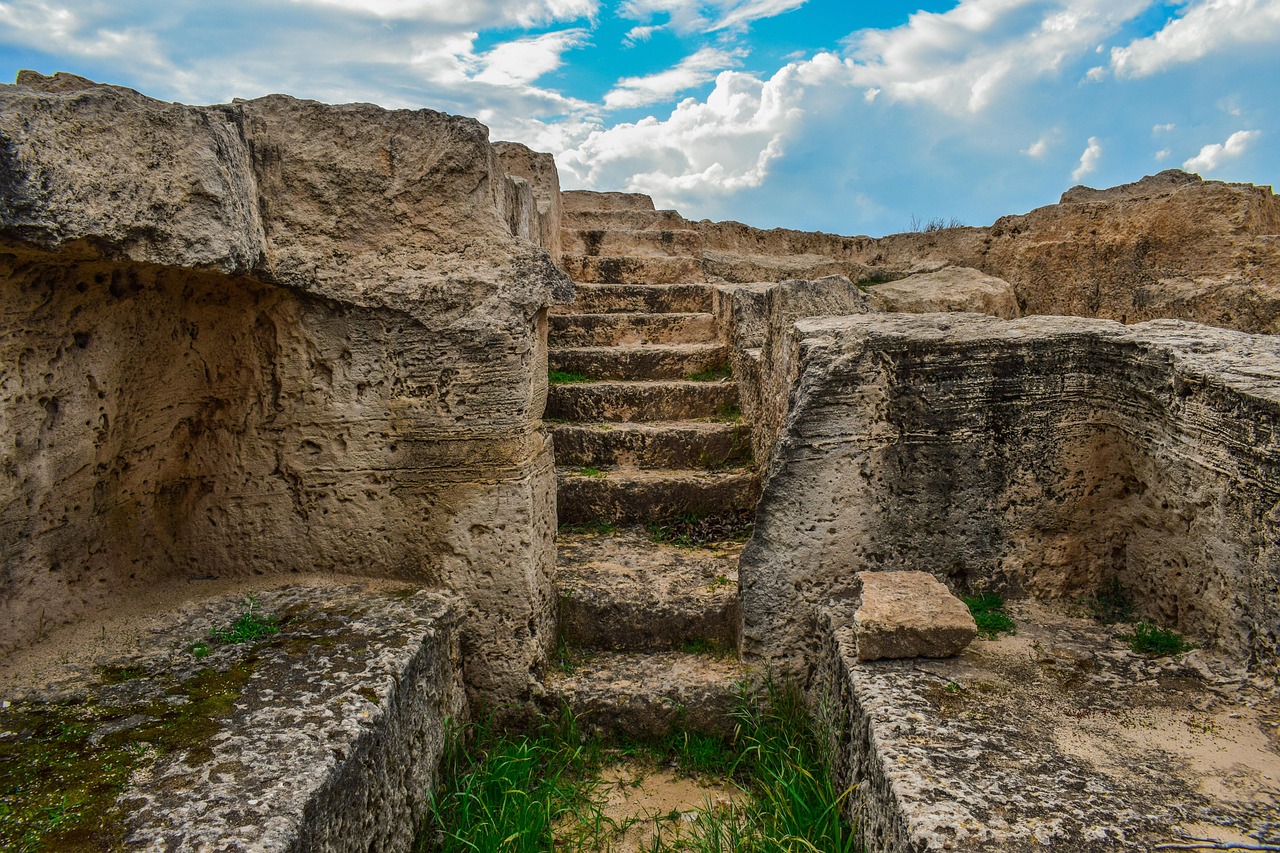
A monumental Roman tomb has been unearthed in Bulqiza, Albania. The tomb was discovered after a group of locals located a mass of unusually placed large stones which they reported to local authorities. Following this, the stones were investigated and what is being touted as a “monumental Roman tomb” was discovered. Monumental refers to the scale of the tomb, which is reported to be 29 x 19 feet (9 x 6m) in size, making it the largest Roman tomb discovered in the Balkans. It was constructed at some point during the 2nd-3rd century AD, during the Roman Imperial period, and was dedicated to the Roman god Jupiter. It features several rooms such as an entrance staircase, and an antechamber.
The nobleman’s tomb is believed to have been touched twice by graverobbers before its discovery last month. The first case of looting is thought to have occurred during ancient times, and the second more recently, with evidence of “heavy machinery” having been used to break into the tomb. Despite the looting, several items of note within the complex were found, including gold threads, glass plates, and bone fragments. Greek inscriptions on the tomb’s walls indicate that it was built for a man named Gelliano.
The discovery of this tomb is significant, because it is the first Roman tomb ever found in Albania. The modern-day country was part of the Roman Empire for roughly 600 years. Albania sits across the Adriatic Sea from Gallipoli and was once a part of the Roman province of Macedonia. It fell into Roman hands in 168BC when Rome was a republic and not yet an empire. When the Roman Empire split at the end of the third century AD, Albania became part of the Byzantine Empire, also known as the Eastern Roman Empire. The exact years of the tomb’s construction are not yet known, but some notable emperors from around the period include Marcus Aurelius, Trajan, Tiberius, and Constantine.
The ruins of a Roman amphitheater were discovered in the Albanian city of Durrës in 1966. The amphitheater, which could seat 20,000, is the largest amphitheater ever discovered on the Balkan peninsula. The Balkans had a strong Roman presence and contained many river forts during the Roman Imperium. Many parts featured outposts, which were ruled by appointed Roman officials, and featured forums, baths, and aqueducts which have come to define well-established roman towns and cities.
Categories: Arts & Culture
 The SMCC Beacon