
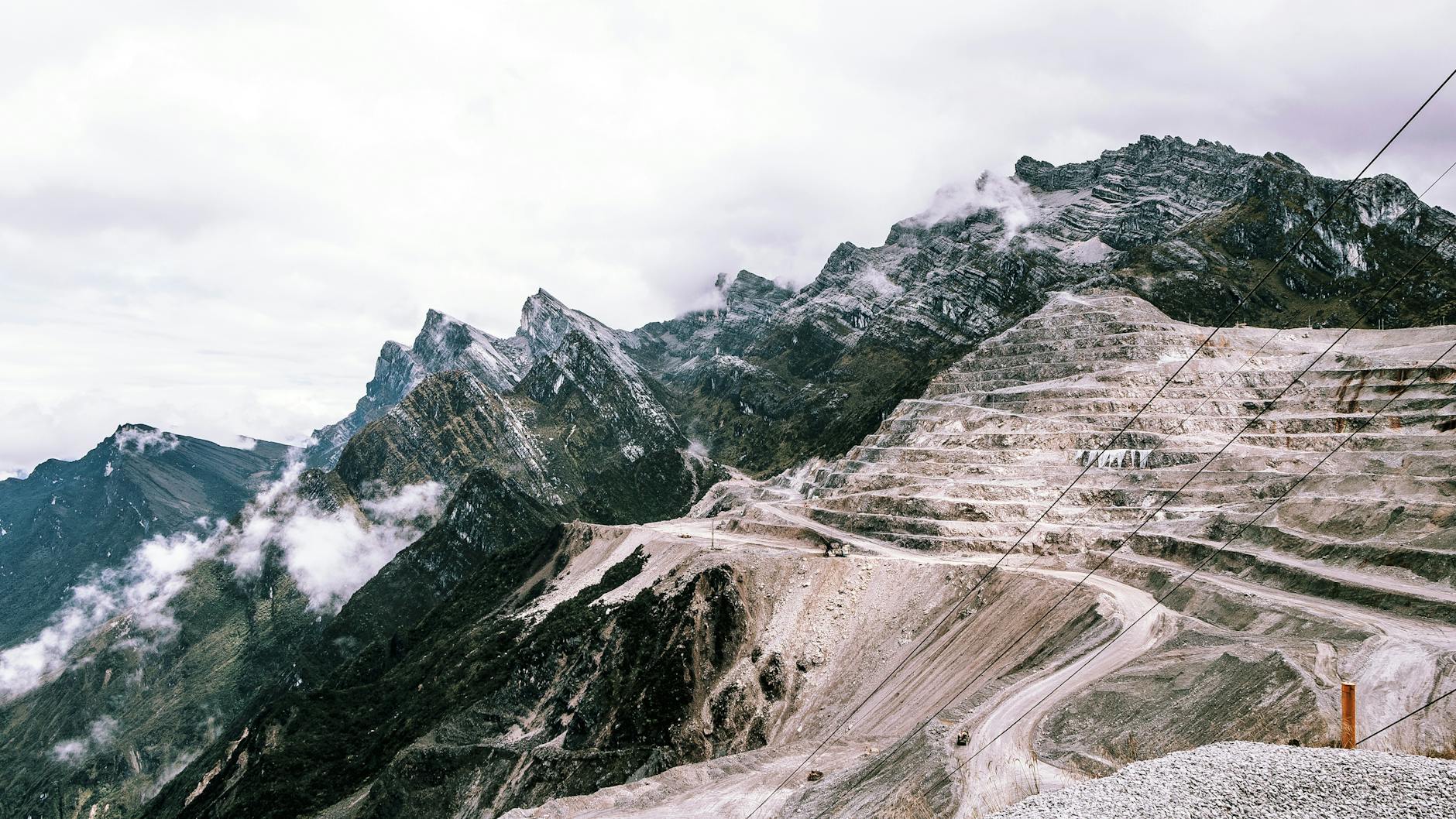
On October 6, 2025 a controversial appeal for the construction of a mining access road running through Northwest Alaska was approved by President Trump.
The Ambler road project, proposed by the Alaska Industrial Development and Export Authority, has been a long debated subject. It would stretch for 211 miles and ultimately lead to the Ambler mining district, providing access to rare mineral mining. The appeal was originally OK’d during the first Trump presidency, later being reversed under the Biden Administration.
On October 9, the U.S. Senate also repealed the Yukon Resource Management Plan put in place by former President Biden. This plan aimed to balance conservation and development in the area. With this management plan out of the way, Senate has removed a significant road block on the way to the development of this project.
While some argue that this project could be beneficial to local job growth and offer an economic boost, many -especially indigenous tribes and environmental conservation groups- believe that the environmental impacts of this project would be detrimental to wildlife and nature.
According to the Anchorage Daily News, supporters of the project “view the project as a job creator and a needed boost for the small economies in the rural villages along the road.” There has been some evidence of the Alaskan mining industry benefitting the local economy by creating direct and indirect jobs. In an article by the Alaskan Resource Development Council, it is stated that “The mining industry provides some of Alaska’s highest paying jobs with an average annual wage of $112,800, twice the state average for all sectors of the economy.” This article also mentions indirect jobs through mining, such as transportation, construction, and equipment manufacturing. “Total direct and indirect jobs attributed to the mining industry in 2019 were 9,400 with a payroll of $740 million.”
However, there are still many threats this project poses to both local communities and the environment. In another article, The Meat Eater, referring to the Western Arctic Caribou Herd, states, “The herd supports a significant amount of subsistence hunting for isolated local indigenous communities in the region, as well as backcountry sport hunting from traveling hunters.”
This point underlines the potential depletion of natural resources for indigenous communities still living mainly off of the land. These communities depend on the natural resources around them to survive. Other impacts such as river pollution and the depletion of fish, decreased subsistence harvests, and air pollution are other major threats posed by this project. Furthermore, there has been significant proof of environmental damage in Alaskas mining history. According to a 2022 report by the National Parks Conservation Association, five Alaskan mines were “responsible for more than 8,150 total spills since 1995 — an average of about 300 per year.” The report also states that the spills “released more than 2,360,000 gallons and 1,930,000 pounds of hazardous materials into the environment.”
It is the current concern of many Americans that this new project will continue the pattern of environmental damage caused by mining companies, especially with a portion of the road running through Gates Of the Arctic, land that is meant to preserve and protect diverse ecosystems and wildlife. The U.S. government still has a good number of hurdles to get past to put the Ambler road project in motion, but they are taking swift actions in order to do so. The environmental and social impacts of this project could be detrimental and irreversible.
Categories: Uncategorized
 The SMCC Beacon