
Gen- Z -the first generation truly born into the digital age is becoming increasingly drawn to alternative life paths. Freelance, “side hustles”, and digital nomadism are some significant ways in which this generation is shifting away from the traditional 9-5 path.
It is commonly known that the COVID-19 quarantine is considered a major turning point for society. During quarantine, remote jobs and more flexible hours became increasingly common. While remote and hybrid work were not new, they became prevalent on a much larger scale, influencing younger generations like Gen-Z to consider alternative life paths and job flexibility.
According to a 2024 research project by Upwork, “More than half (52%) of all Gen Z professionals surveyed freelanced, compared to 44% of Millennials, 30% of Gen X, and 26% of Boomers.” This report goes on to discuss how the majority of Gen-Z freelancers consider themselves “portfolio careerists”, who are “skilled professionals who manage a multifaceted portfolio of different types of work across various clients, industries, and projects.”
Evidence For Why Gen-Z Has Gone Remote
While re-evaluation of lifestyle and career during covid played a big role in this, this collective entrepreneurial spirit could stem partly from necessity with a decline in job openings of todays workforce. A report by Randstad states that, “Global job postings for roles requiring 0–2 years of experience have declined by an average of 29 percentage points since January 2024.” Due to this decrease in entry-level job roles, Gen-Z is faced with significant challenges entering the workforce.
In the same report, Randstad also highlights how Gen-Z holds a notably lower tenure in the first five years of their career than previous generations. 1.1 years is the average tenure of Gen-Z members. But according to this report, Gen-Z’s tendancy to switch jobs so frequently isn’t out of boredom or laziness; rather, it stems from a drive for growth and expansion. Randstad states that only 45% of Gen-Z “currently hold full-time traditional roles”, 31% of whom “would prefer combining a full-time role with a second job on the side: a ‘side hustle.'” This comes from a desire for career diversity and expansion, rather than “disinterest.”
How Past Generations Changed Working Norms
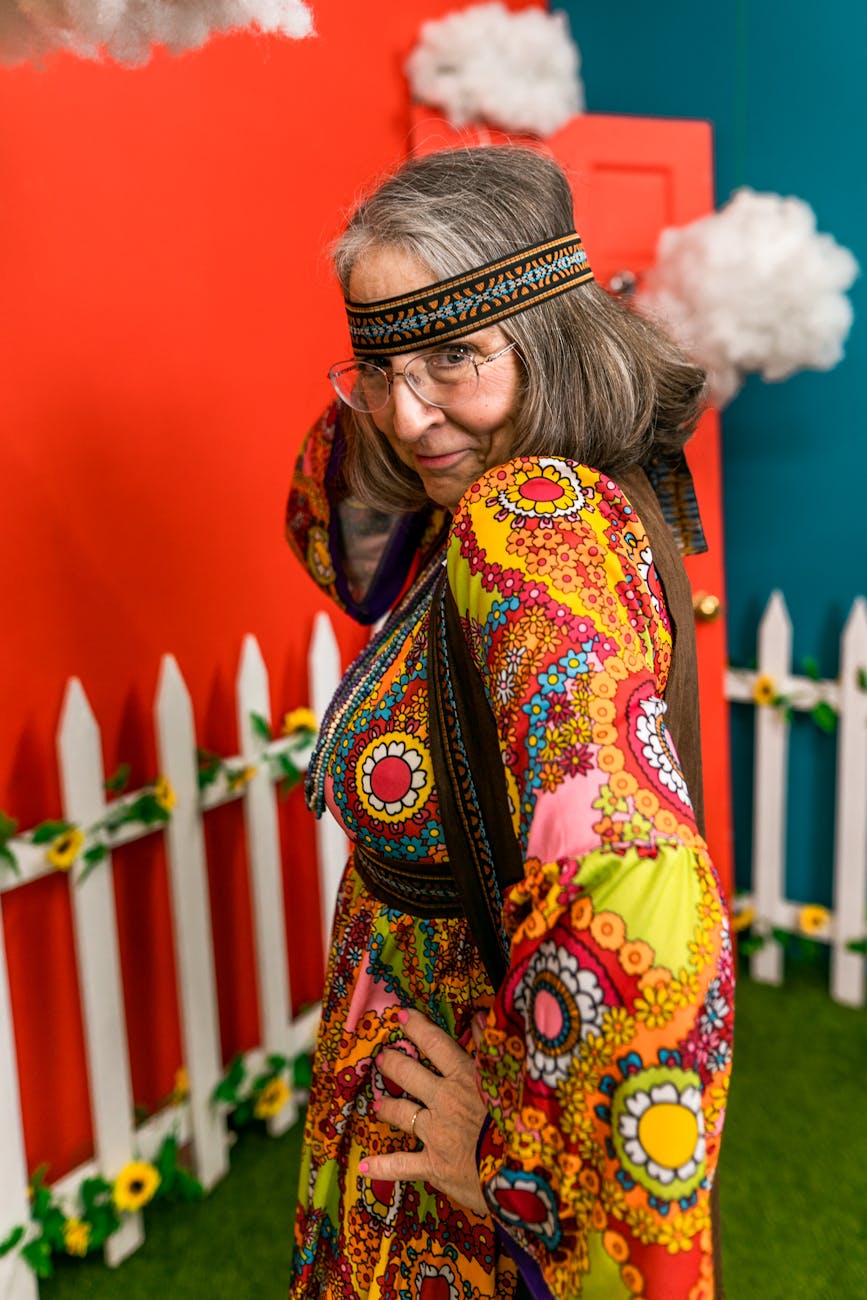
Looking back on past generations, there have been similar trends of the youth diverging from “traditional paths” or rebelling from traditional society. We can refer to an example of this trend in the 1960s and 1970s; the “hippie movement.” This Western counterculture of the baby-boom generation aimed at rejecting the “materialist and consumer culture”, and cultivating alternative ways of living. This manifested largely through forming communal living areas, or “communes.” Britannica states that, “Hippies tended to be dropouts from society, forgoing regular jobs and careers, although some developed small businesses that catered to other hippies.”
Despite the passionate beliefs of the hippies, the movement began to fade when many realized the lack of long-term sustainability of the lifestyle. A report on the 60s hippies by EBSCO states that many hippies kept aspects of their political and spiritual beliefs while also deciding to conform to a more mainstream life; “Most of them either returned to school or joined the labor force. They cut their hair, gave up free love and drugs, and married, slowly adopting mainstream lifestyles. Many of those who had joined communes left them.” The adaption of many former hippies into the mainstream underscores the unsustainability of this way of creating new lifestyles.
While -similar to the hippie movement- large portions of Gen-Z are looking toward alternative life and career paths, Gen-Z’s approach may be more sustainable for the long term. The hippie movement was extreme, centered about a complete diversion from and rejection of modern society. The way’s in which Gen-Z is approaching alternative lifestyles, though still challenging- could be more adaptable to society than previous generations.
Why the Gig Economy Works for Gen-Z

Gen-Z is increasingly taking advantage of “gig economy” and freelance work. According to an article by Forbes, the rise of AI is contributing to unemployment of current college graduates in 2025. The article reads that – according to the Bureau of Labor Statistics, there is an “8.5% unemployment rate for bachelor’s degree holders aged 20–24 in July 2025—almost double the national average.” The article quotes Kelly Monahan, managing director up upwork research institute; “Traditional entry-level jobs are evolving into positions that demand adaptability, digital fluency, and the ability to collaborate with AI tools.” Monahan goes on to explain the growing appeal of free-lance work in this younger generation; “Many people start small, taking on projects as a side hustle, but we are increasingly seeing independent skilled workers turn to freelancing as a full-time career path. What’s more, nearly half of CEOs say they plan to increase freelance hiring.”
An Uncertain Future

Although free-lance work and self employment can offer more freedom in certain ways, it can also pose many significant challenges including inconsistent hours and pay, a lack of job benefits, and always being on the clock. In an article by The Times, one free-lance copywriter shares her experience with the job; ““I’d got caught up in the Instagram posts; all the freelancers I knew seemed to be working from the beach, able to fit work into gaps around travel, kids or fitness. It appeared to be the best of all worlds.” She continues to explain how she works “seven days a week”, and it is a “constant scramble to get and retain clients.” This lifestyle brought to many freelance workers can be known as the “infinite workday.”
The ways in which Gen-Z is diverging from traditional jobs is through an ambitious, entrepreneurial spirit. Alternative career paths such as free-lance and self-employment “gigs” have the possibility of ideally offering freedom and flexibility, but can often come with the exact opposite. Although it is important to consider the flip side of these types of work, we live in a rapidly growing digital culture in which growth and adaptations in these fields are possible.
Categories: Uncategorized
 The SMCC Beacon