

The tree is blazing, the hearth is warm, the presents under the tree are wrapped and waiting for the day they will be opened. It’s the time of year that you will find many radio stations playing the songs of the season, and the holiday classics are beginning to appear on TV. Yes, it’s Christmastime; the time when festive spirit rules the day, and cheer is expressed with twinkling lights and the colors red and green. The way we celebrate Christmas feels like it’s been tradition forever, as ancient as the “tales of the glories of Christmases long, long ago.” But truthfully, modern Christmas is not as old as you think it is.
A Holiday’s Origins
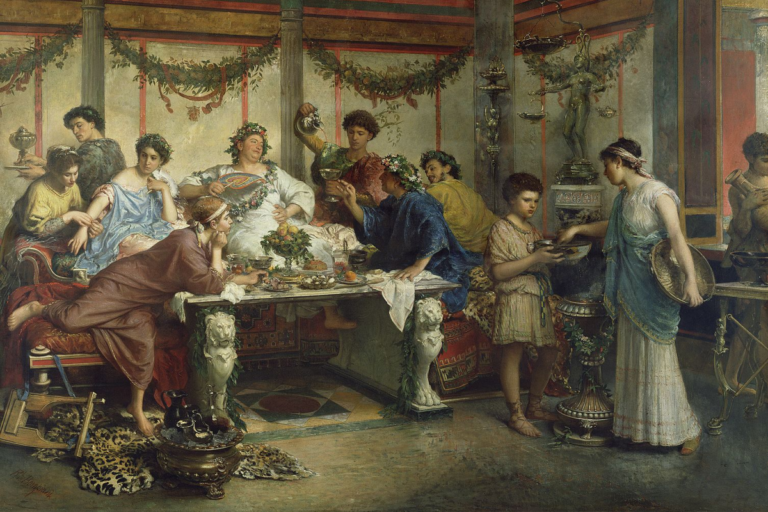
Winter has been a time filled with celebration for millennia. The ancient Europeans did it to acknowledge the winter solstice, which meant the darkest days were behind them. Slaughtering livestock to feast upon meant saving resources, and the alcohol fermenting throughout the year was finally ready to be opened and drunk. This was the only time of year when meat was abundant, and the harvest was plentiful for eating. Because it was too cold to work, December became a time of celebration and recovery in anticipation for spring.
The ancient Romans celebrated the festival of Saturnalia in honor of the god of agriculture, Saturn. For a whole month the slaves were freed and the social order was inverted until the sun god Mithra’s birthday was honored on December 25. The pagan god Odin, who was believed to fly over villages at night and decide who would benefit from prosperity, was honored in Germany. In Scandinavia, Yule was celebrated with large logs that would be burned for hours on end while people feasted. Each spark was believed to represent a new cow or pig that would be born in the spring.
The First Christmases

The early Christians began celebrating their religious feast days on the same days as the pagan holidays. By the 12th Century, Christmas had taken on an entirely new meaning. Saint Nicholas, the modern Santa Claus, was a 4th Century bishop who became popular with 17th Century Dutch folklore for his gift-giving to the needy. But even in the early 1800s, Christmas was not celebrated the way it is now; it wasn’t even considered a holiday. It wasn’t until 1840 when Queen Victoria married Prince Albert that the Christmases we would recognize took shape. Prince Albert was from Germany and brought to England his country’s tradition of the Christmas tree. An illustration of the royal family around their tree inspired others to do the same, and the tradition was born.
The Modern Christmas is Born

Queen Victoria placed a heavy emphasis on the family unit during her reign (1837-1901) , and the holiday began to be spent at home with family all around. Charles Dickens’s “A Christmas Carol” practically gave the new traditions wings to fly on while the industrial revolution meant it was easy to produce colorful ornaments, ribbons, and garlands for the season. German immigrants also brought the Christmas tree to the United States, where the popular Victoria and Albert newspaper illustration had an effect. By the 1850s, the trees, caroling, and time spent with family had become more than just a fad.
The Christmas of Today
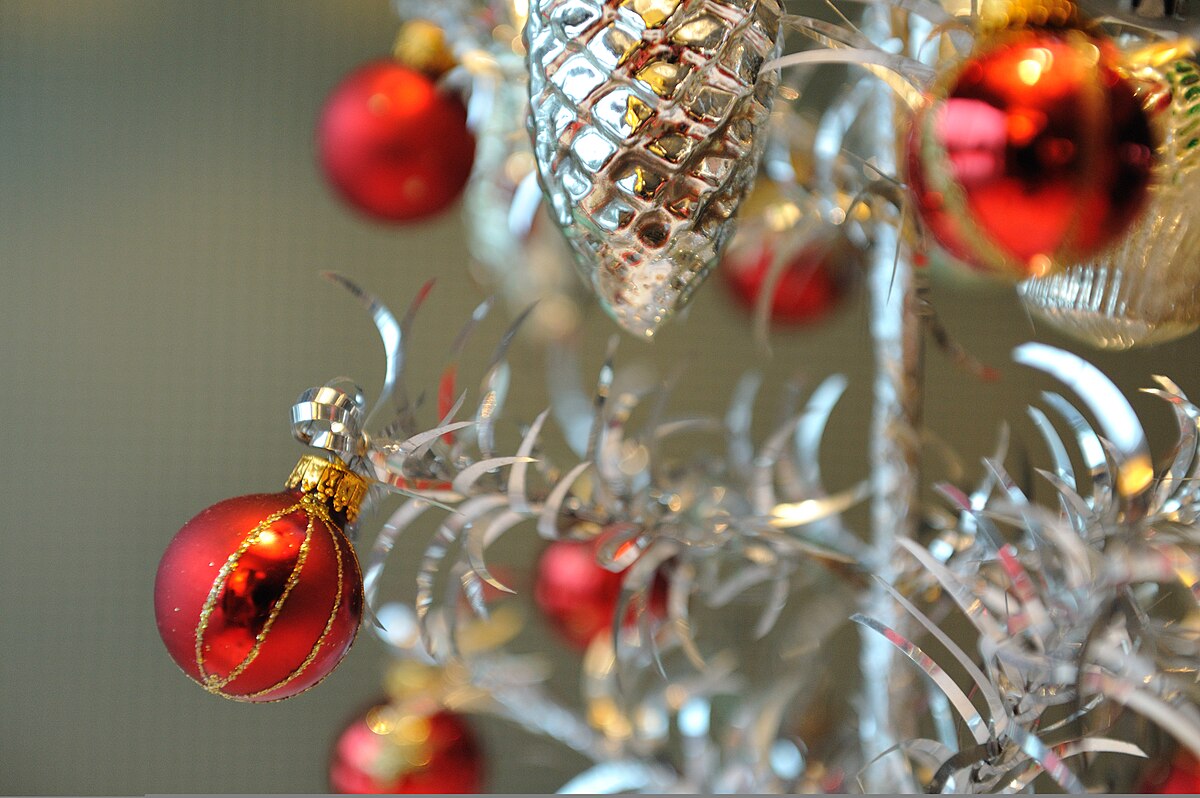
Christmastime traditions evolved in the 20th Century with the advancement of technology. By the 1930s, electric lights replaced candles on trees. Readily available metal alloys saw the tree itself reinvented in the 1950s when the aluminum Christmas tree came out, and in the 1980s foil ceiling decor and bubble lights were all the rage. Today you’ll find exterior projectors and LED lights decorating housefronts, and video chatting has made it easier than ever to spend Christmas with loved ones from afar.
But the traditions we’ve grown up with, the ones that seem ancient and timeless, are barely 180 years old. It’s all a wonderful collection of borrowed practices and innovation that has been popular for only a few generations. In truth, the festivities we celebrate together with our families this holiday season will simply be a beautiful, young, and profoundly impactful cultural innovation.
Categories: Uncategorized
 The SMCC Beacon