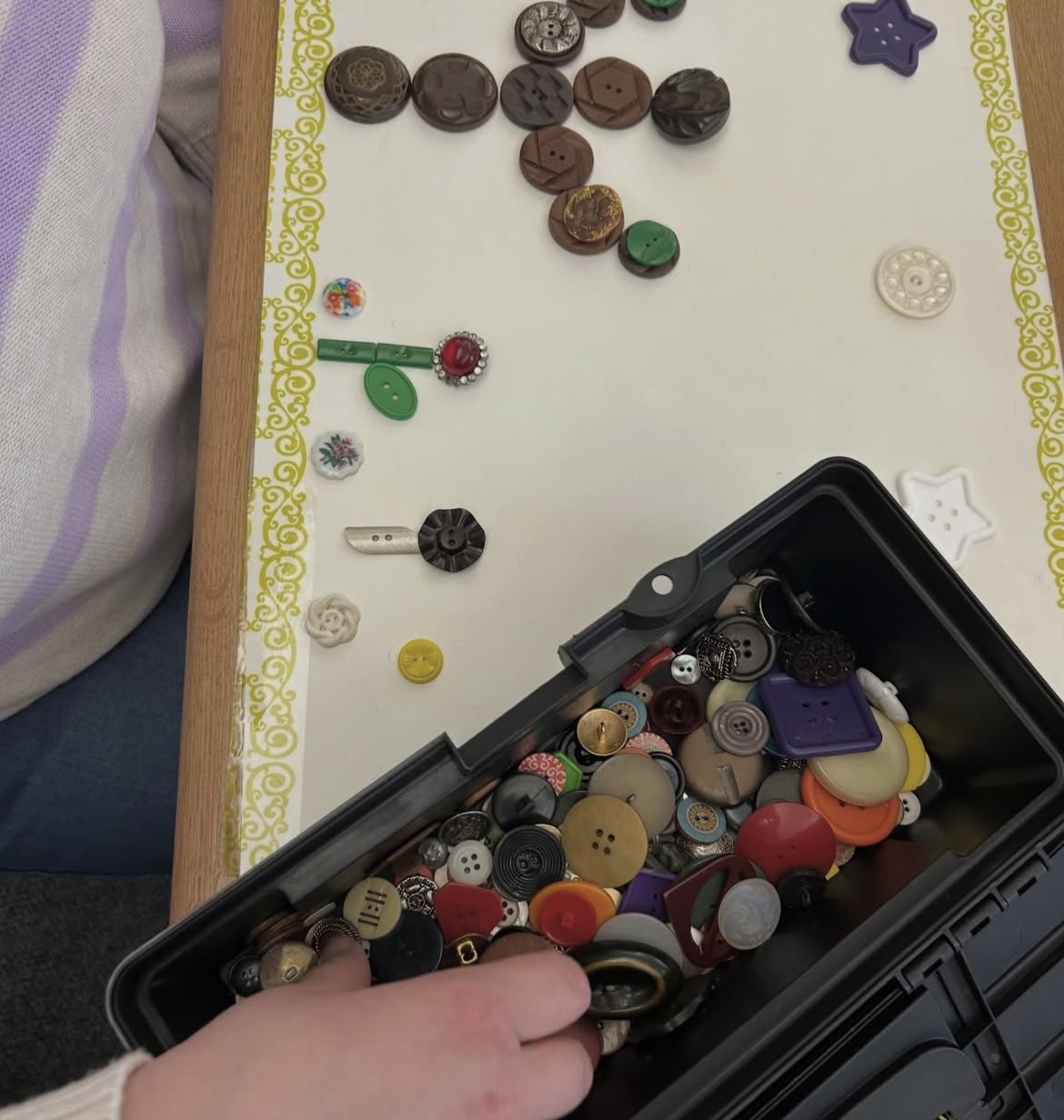
What if the next big idea in sustainability or education started in a college dorm room, art studio, or campus study lounge? The Beautiful Stuff Project—a nonprofit founded 12 years ago by former public-school teacher Marina Seevak—shows how creative reuse can turn discarded materials into an opportunity to encourage education through imaginative play. Whether you’re studying for education, environmental science, or are a seasoned educator wanting to learn about something new, this story is an example on how imagination and resourcefulness can reshape classrooms and communities.
Marina Seevak started with the idea to create a space where teachers could get materials for free. She bartered with a local maker’s market, and in return for helping with programming she received a free cubicle. Collecting donations was the next step. Ms. Seevak stated, “I sent out 100s of emails to local manufacturers, and stores, and artists asking if they had any excess or scrap, they would donate.” After receiving responses and donations, her cubicle gained popularity. Local teachers loved it. Just a year later, they expanded into a storefront. Five years later, at the second storefront, she paid rent and hired her first employees. At this point, she began charging teachers a minimal fee for the items she provided. This is when the Treasure Box curriculum was created. The Beautiful Stuff Project began contracting with the school system, which was funded by the schools and grants. The Beautiful Stuff Project is “still going strong, but we run it out of my studio in the back of my house, which is a converted garage.” Ms. Seevak explains, after talking about “all things COVID” and the storefront’s 2020 shutdown.
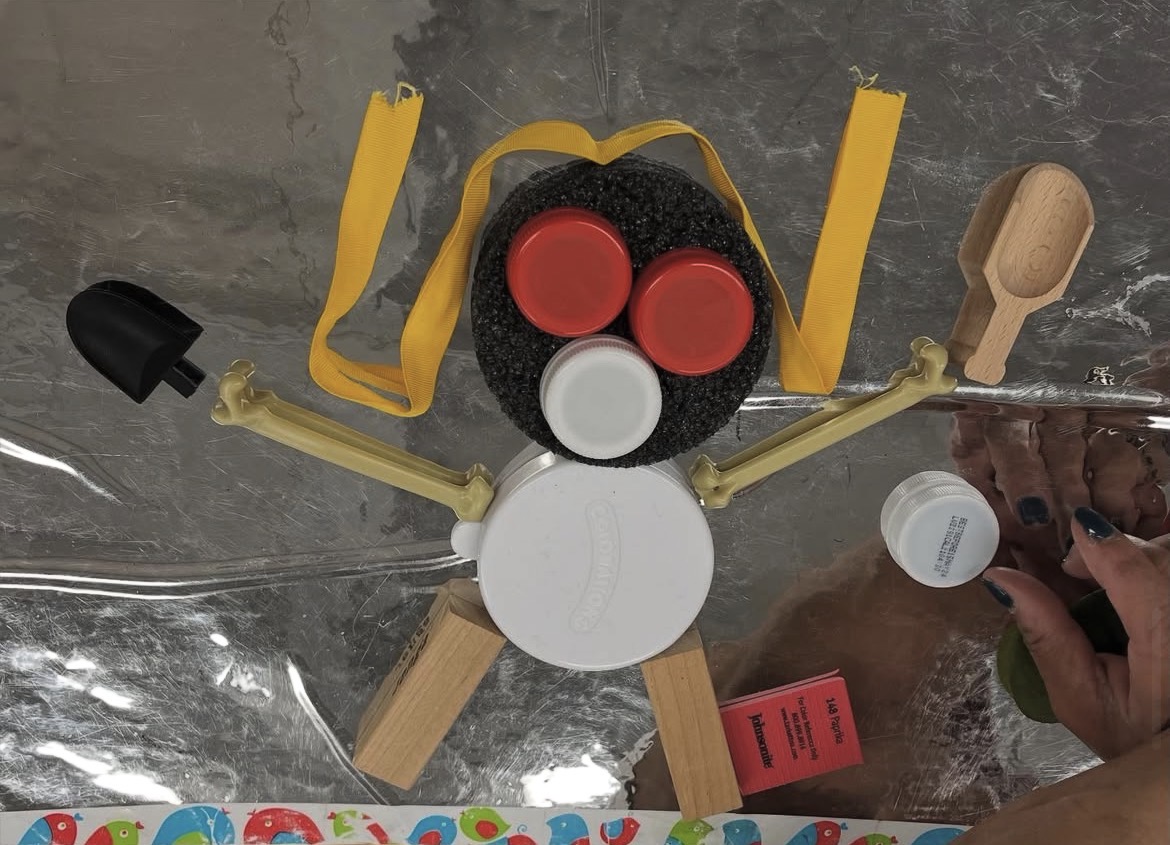
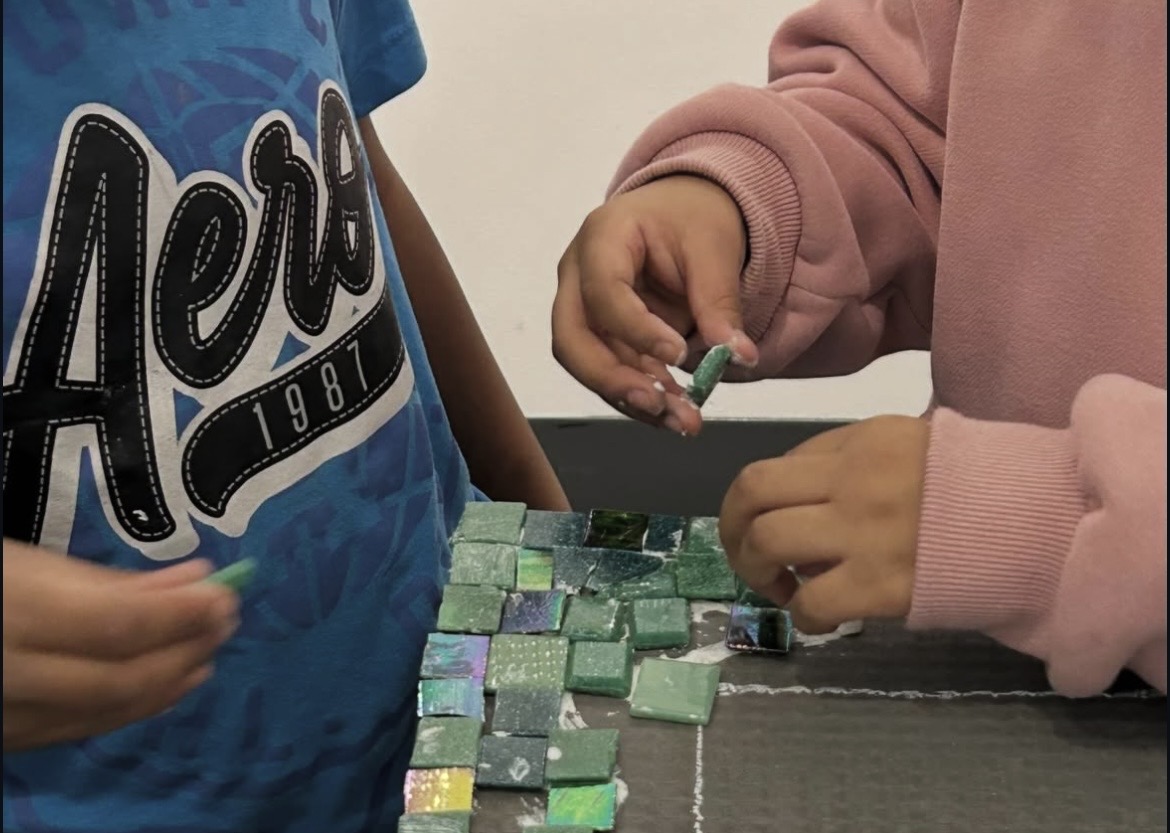
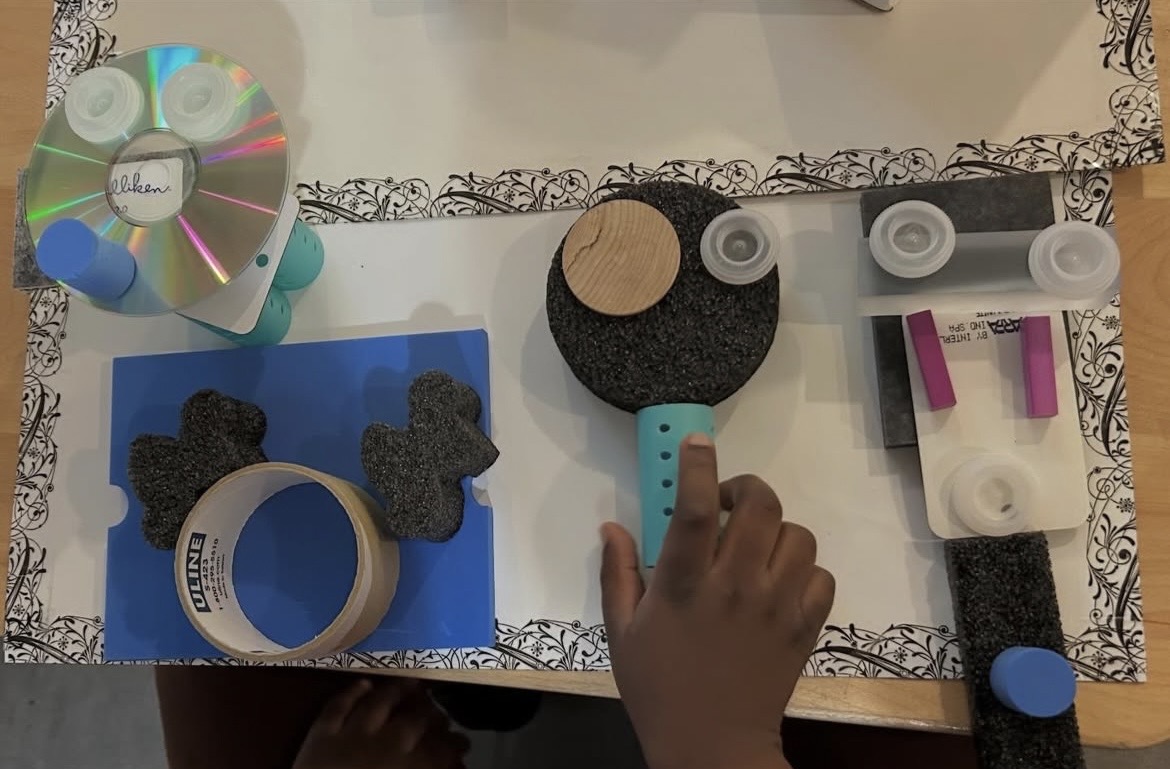
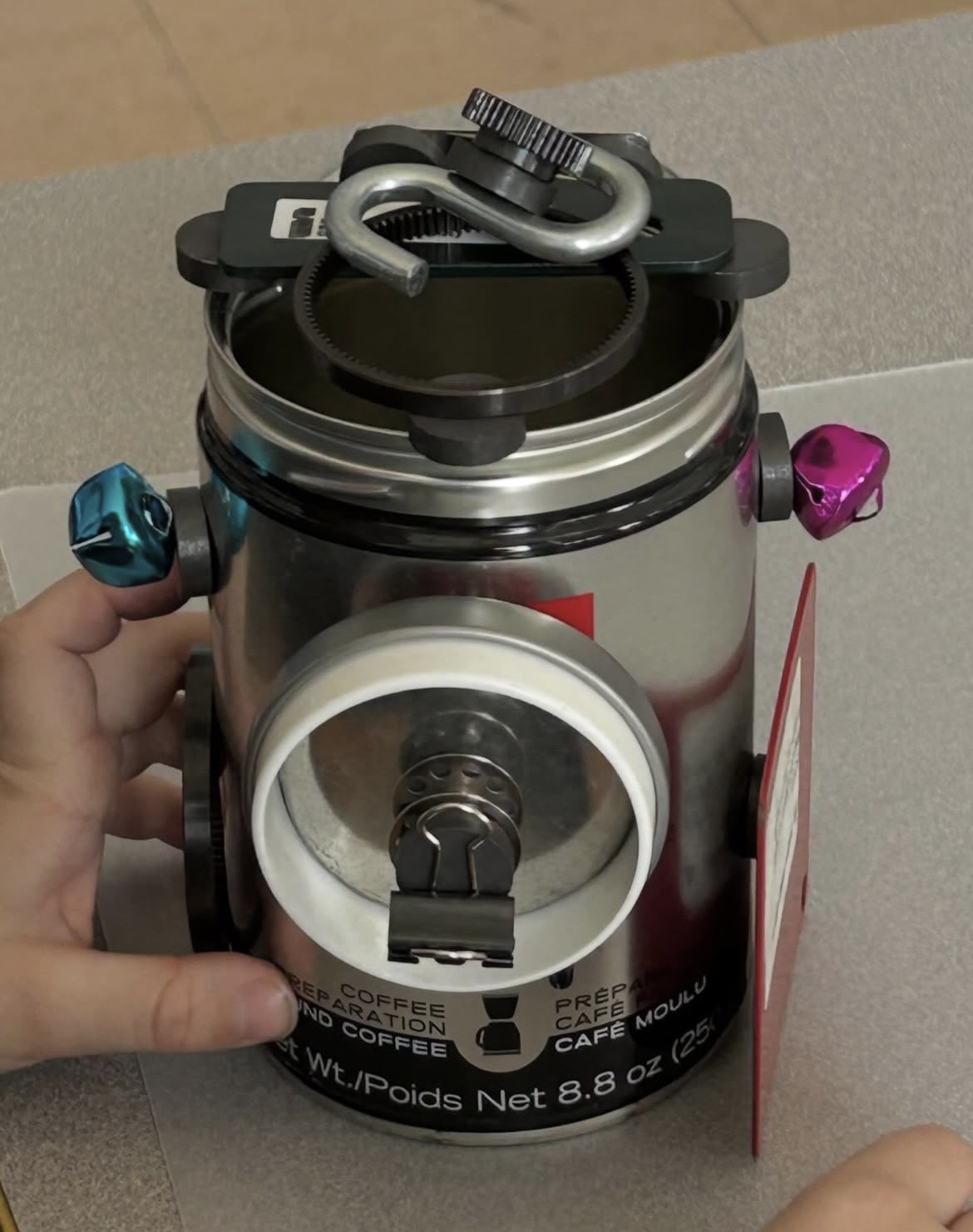
The Beautiful Stuff Project not only brings art into classrooms but is a creative reuse centers that focuses on sustainability and reducing waste sent to landfills. This is good for the environment, but as a former educator, Marina Seevak understands how great these items are for teaching and learning. In an academic term, loose parts are a huge part of the Beautiful Stuff Project—items and/or discarded pieces that can be used in many ways and continuously reused. These items can include plastic bottle caps, mosaic tiles, buttons, plastic tubes, CDs, foam pieces, cardstock, yarn, and more.
Focusing on the example of plastic bottle caps, Ms. Seevak gave some insight into the creativity and education that is nurtured by loose parts, “they’re great for counting. They’re great for mosaic making. They’re great for all kinds of imaginative play (…), and they will last.” Imaginative, or pretend play, helps children develop strong cognitive skills, including emotions, creativity, executive function, social skills, and communication. The curriculum used in schools focuses on practicing academic skills through play, with lessons based on ‘Treasure Boxes’.
Treasure Boxes are filled with loose parts and are designed to be inviting for children to explore. As stated on the Beautiful Stuff Project website, each box follows three steps: modeling, exploration, and engagement. When using these boxes to teach children, the Beautiful Stuff employee will focus on modeling and encourage exploration of how to use the items inside the box—giving the class a visual example of using their senses to discover each treasure’s use. Then the children are invited to play using open language, such as ‘create’. This may seem like simple playing, but it engages critical thinking. From problem creation to problem-solving, the kids build and design. Each box follows the curriculum’s standards by incorporating observational drawing, journaling, and an aligned read-aloud book that provides inspiration.
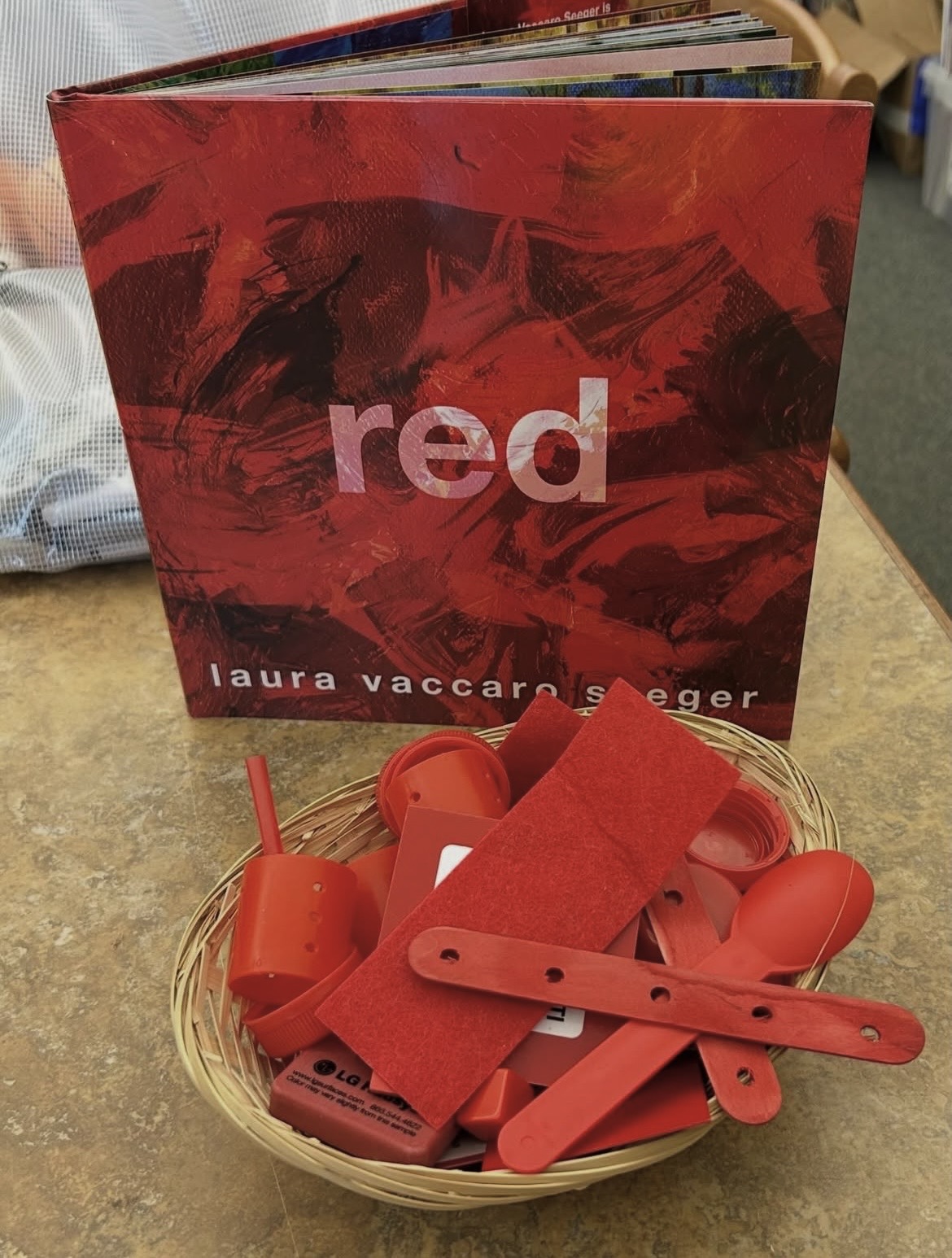
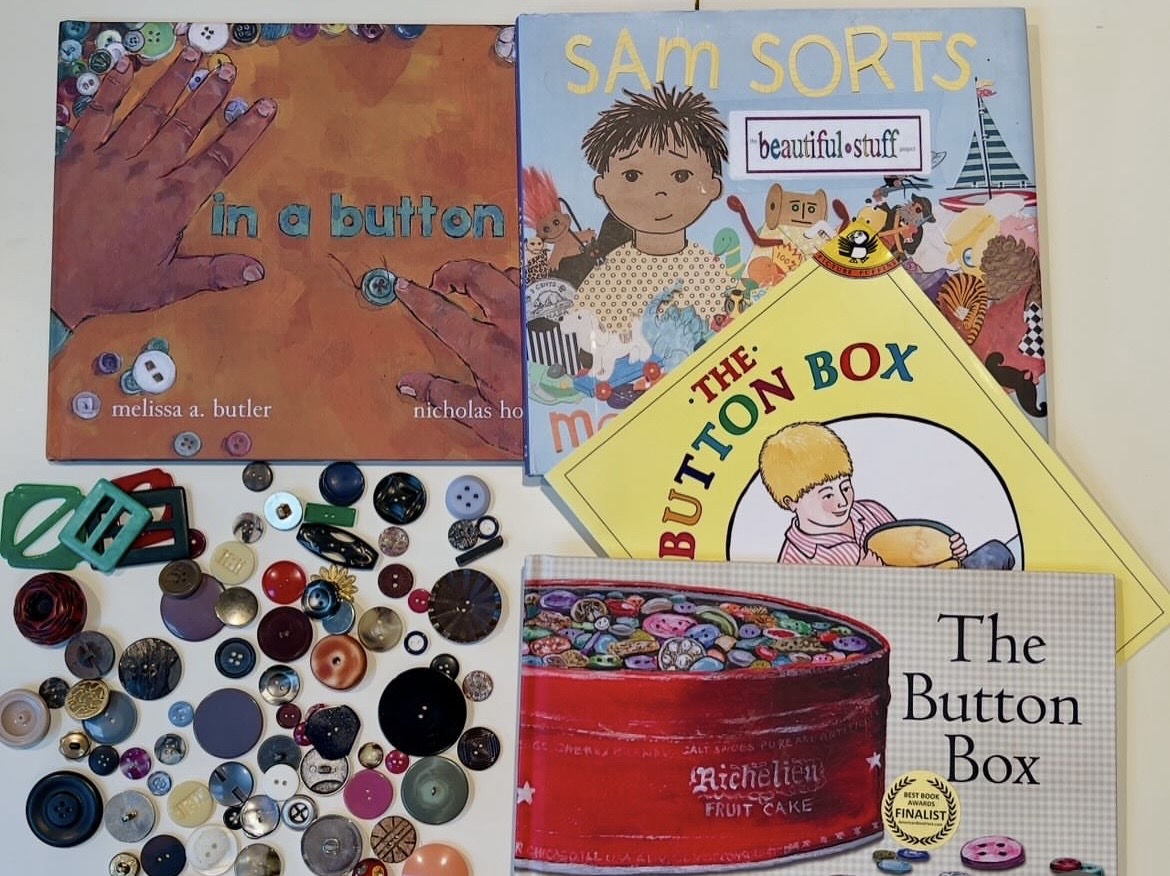
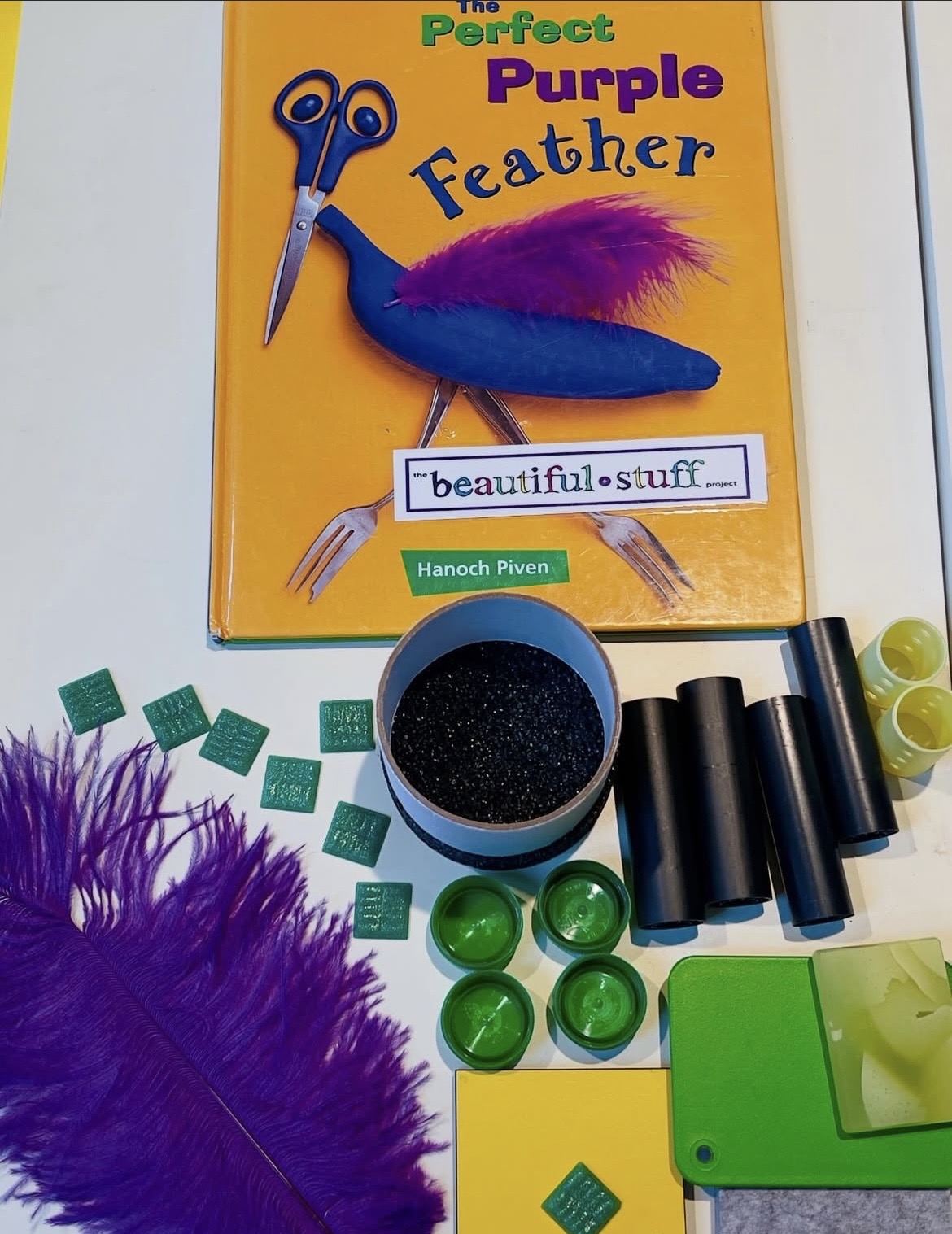
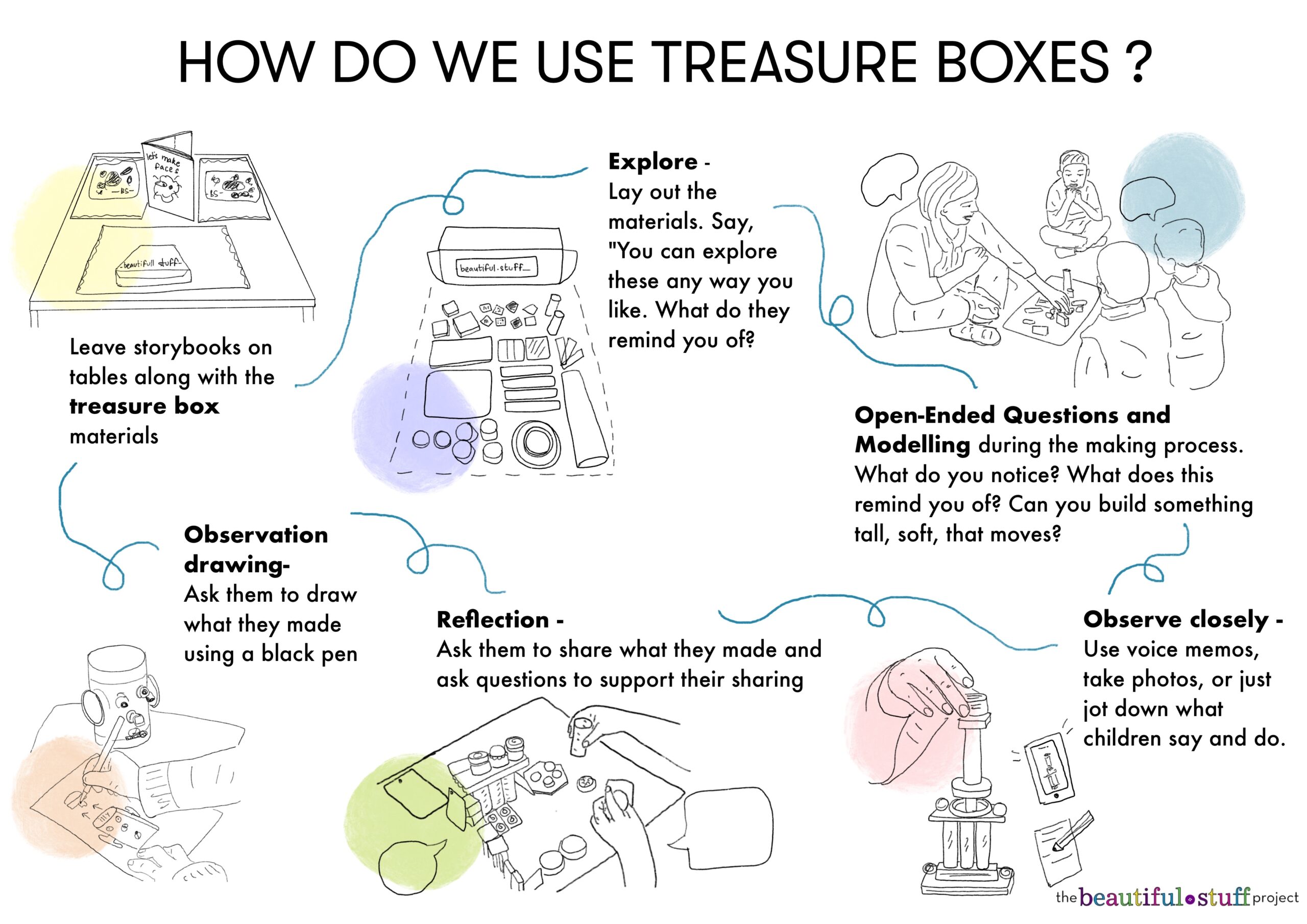
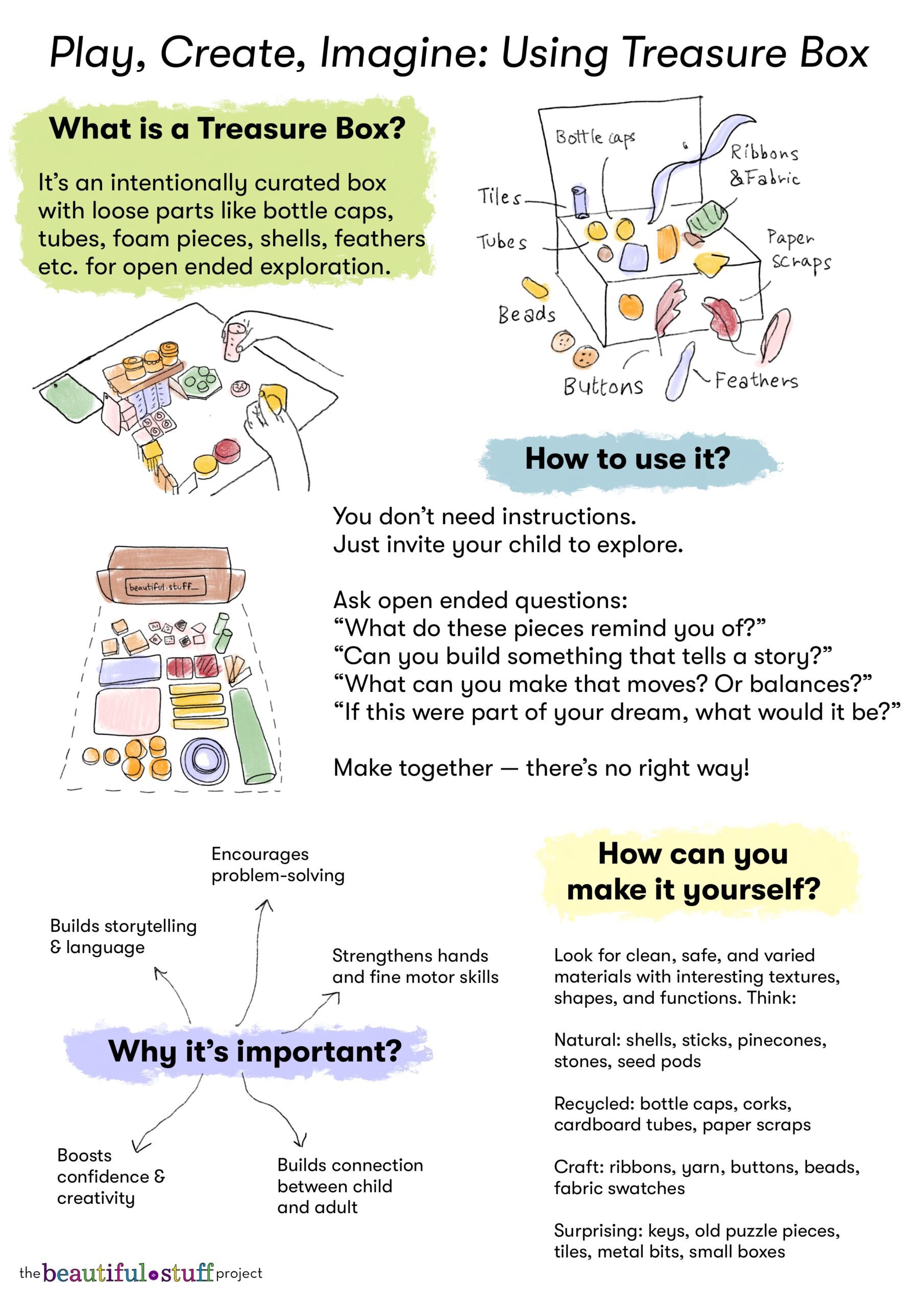
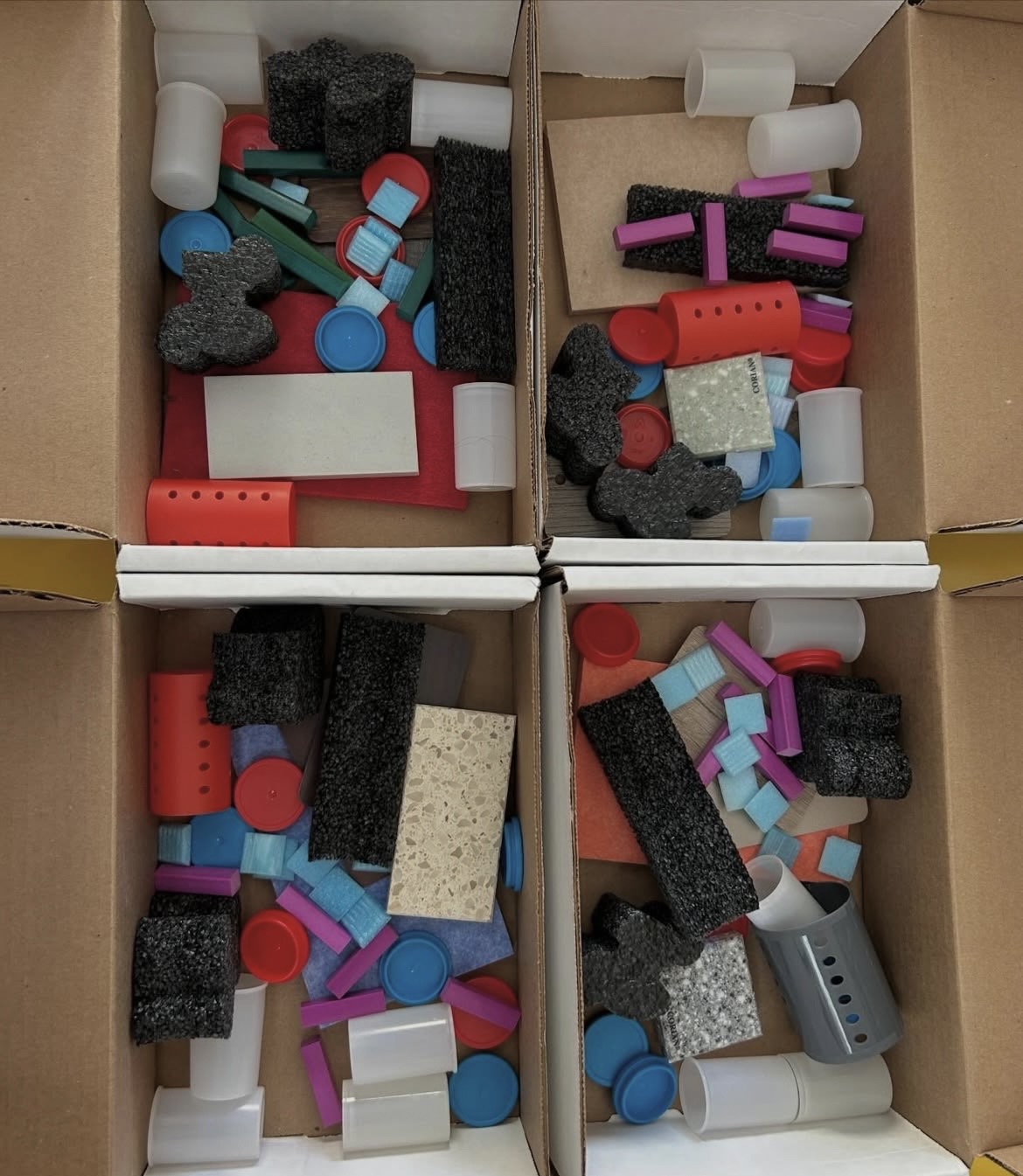
“Photo By The Beautiful Stuff Project” on Instagram
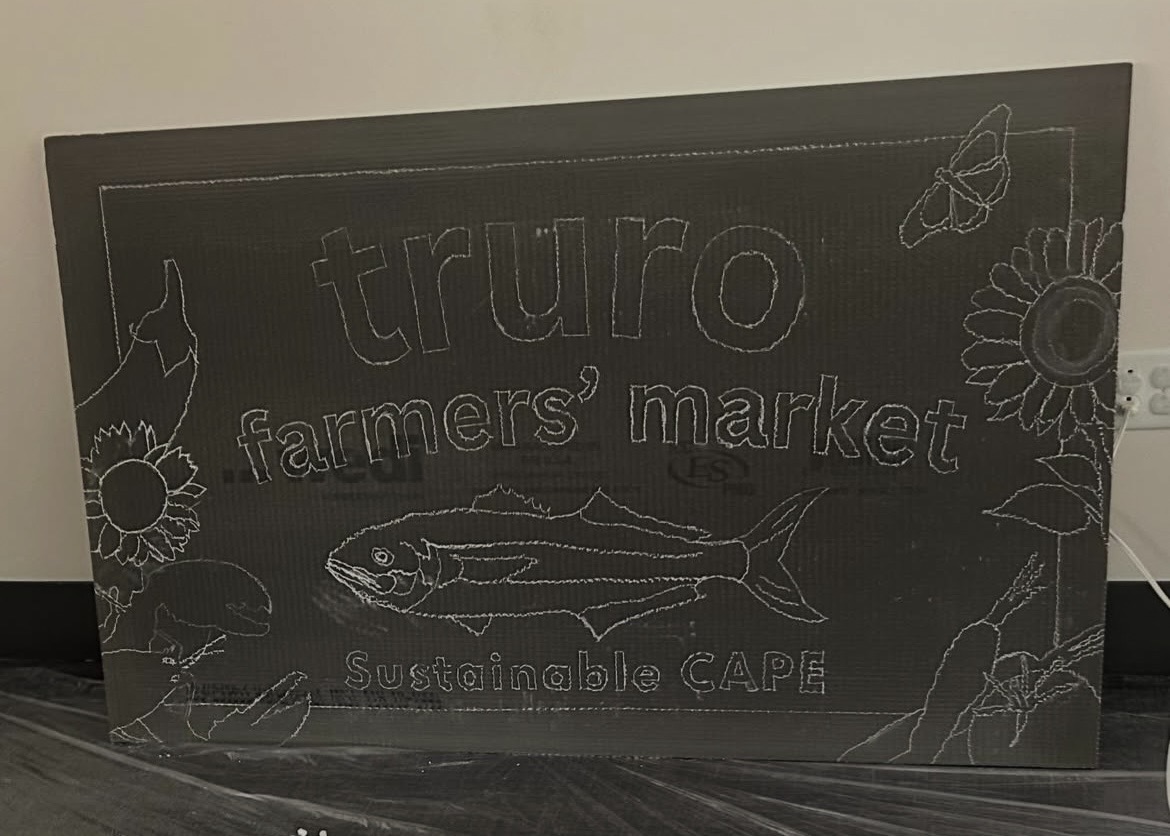
Outside the treasure boxes, The Beautiful Stuff Project also works on community art with local libraries, farmers’ markets, and the schools. Part of this project included their expansion to The Cape, including the creation of a mosaic sign for the Truro Farmers Market. Ms. Seevak spoke about who was involved, “It was a collaboration with a couple of organizations on The Cape: Sustainable Cape, Truro Recreation, and the Truro Public Library.” She continues to explain that both members of each organization and children would meet every Tuesday afternoon. “While Beautiful [Stuff] spearheaded designing and tiling a mosaic that will welcome everyone to the Truro Farmers Market, it’s the second one we did with the same group of people. Last year, we made a mosaic sign for the Truro Children’s Garden, that’s behind the library.” These community projects also take place in partnership with the Somerville Public School system. The Beautiful Stuff Project has designed and created mosaics in Somerville, Woburn, and Waltham. They also made a mosaic sign for May’s Garden outside of a local public school, Ms. Seevak explains, “[it is] honoring a young girl who has passed away, and the garden was in her memory. So, the community came together to create a mural in her honor.”
Marina Seevak’s beautiful work has given junk a second life, turning it into loose parts and bringing it into communities through classrooms and art. As The Beautiful Stuff Project continues to inspire creative learning and sustainability, it is a reminder that with imagination even the simplest materials can spark meaningful change.
 The SMCC Beacon