
In Maine, the weather might be starting to get warmer, but ICE is still an issue that we Mainers have to deal with. It’s important to know your rights. One of the most important things is what ICE even stands for. ICE; Immigration & Customs Enforcement
Being detained by ICE is the scariest possibility, and it can happen to you even if you don’t expect it. If you are being detained or suspect that you may be, ask if you are free to go.
You have the right to film an ice arrest as long as you don’t interfere. Filming does put you more at risk of being targeted by ICE yourself, so make sure to assess how at risk you are at the moment. You can still take notes of the encounter to help if you aren’t comfortable recording. How many ICE agents are there, the location, the number of witnesses, and other cameras recording the scene. When filming an arrest, it is important to do so clearly and openly. Important items to film are geography markers, like street signs or official buildings, where the arrest is taking place. Keep your camera focused on the arresting agents. Filming the person being arrested could lead to them or their loved ones being targeted further. If you are told to stop filming, it’s important to know that you have the right to record the arrest. Say, “I am exercising my right to document this arrest.” If you are instructed to back up, you should document yourself doing so for your own protection.
ICE agents need a judicial warrant signed by a judge to perform an arrest or to enter spaces like your home, office, or school. Without this warrant, you can tell ICE that you don’t consent to entry and that you have the right to keep your door closed. Often, ICE will present false paperwork and pass it off as a warrant, since they have the legal right to lie to you. Always ask to see a warrant, even if they simply want to ask questions. Agreeing to be questioned can also be taken as consent to search your home.
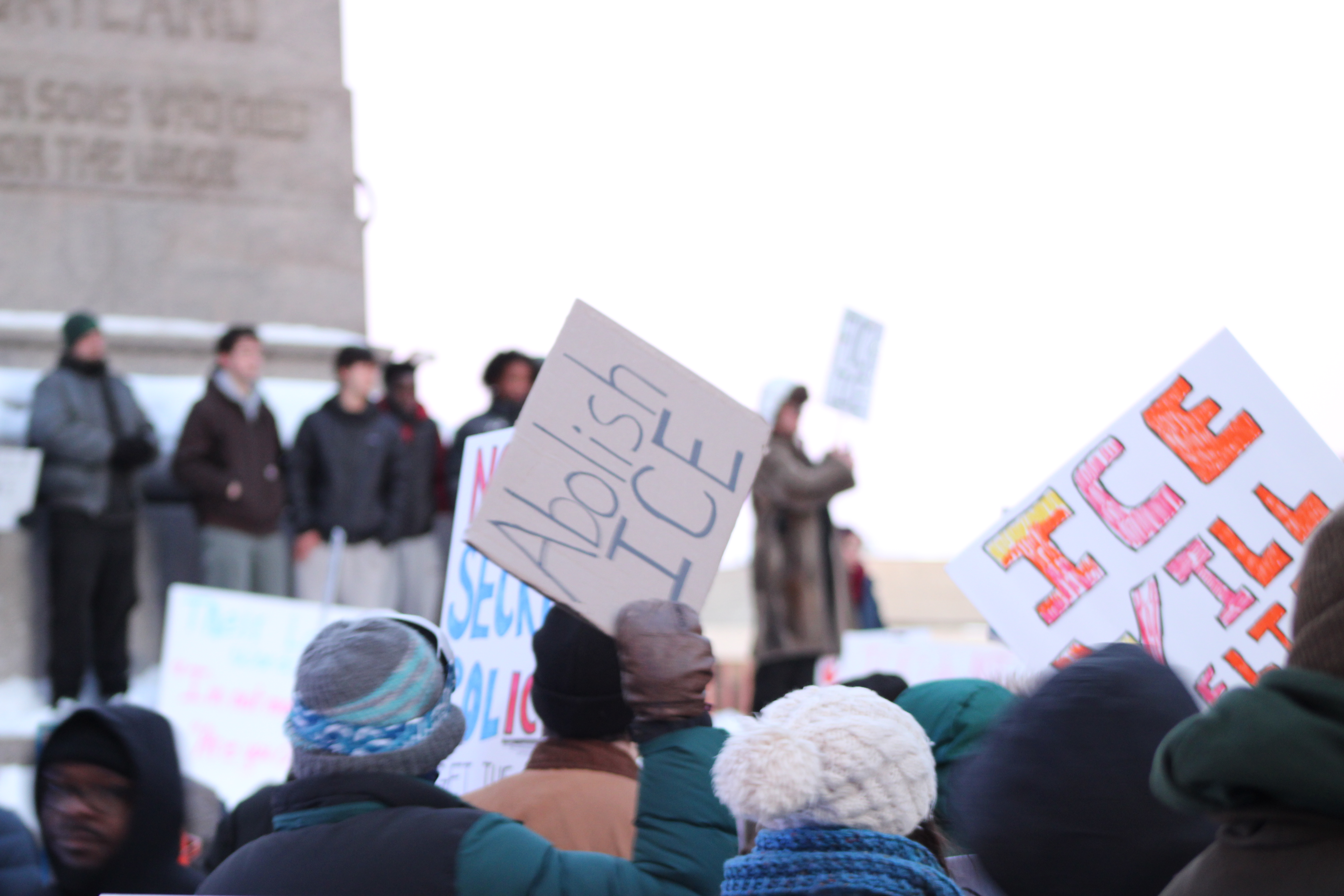
Photographing documents, weapons, badges, and uniforms. Always stay calm and let the footage speak for itself. Don’t say anything to the person being detained; anything said can be used in court. After filming, make copies of the footage on other devices without edits. Instead of posting it, it’s best to share the video with the victim’s family, attorney, or rights advocate.
Lock your phone with a six-digit passcode. ICE cannot force you to put in your code under the Fifth Amendment, but can unlock your phone with Face ID or fingerprint scan.
Even though it’s scary, that’s when it’s most important to know what rights you have and how you can use them.

