A week ago, I had the privilege of talking to a few SMCC students about whether they do or do not like talking about politics and for the most part I got the same answer, “it depends.” Andrew Gelinas made the good point that, “it doesn’t necessarily mean you have to talk to someone you agree with… you should be talking to people about subjects you don’t agree on but it’s so hostile.” He’s right. Often, we end up only ever engaging in conversation with people who mostly align with our own morals and worldview, pushing aside those who tend to lean in a different direction. I am no exception. This got me thinking about my political upbringings a bit.
When I was in high school in the late 2000s, I had a great many friends whom I would hang out with regularly. Most of them seemed to have a similar upbringing to mine being that of a white, northern Massachusetts young man. We would talk about our favorite shows and heroes and what those characters meant to us. We would all share great interest in what those stories meant to us and how they inspired us to be better. Only five years later in 2015 I started noticing a lot of those same friends posting pro-Trump content.
Now I’d like to believe I have always known who Trump is as a billionaire TV personality. He’s arrogant, brazen, and quite frankly not a great businessman as he bankrupted a casino along with a great number of other projects stamped with his name. On top of that he’s an alleged rapist. Yet there were my friends, proudly stating they would vote for Trump over Clinton.
At this time, I was not a fan of Clinton either but of Bernie Sanders. I had never heard a politician speak so directly to the problems this country faced. He followed the money to the heads of mega corporations, and their hedge fund backed campaigns. Calling out policies like “Citizens United” as cornerstone problems facing meaningful change. Spelling it out for the average American who simply wanted a humble life with their families and friends.
Here’s where it gets interesting, Gelinas is right, when I spoke to my friends about Bernie instead, they agreed that they would vote for him over Trump, but they doubted he could win because of the DNC establishment, and they were right too. At the time I was shocked because I thought, “well, Clinton is a much closer candidate to Sanders, isn’t she?” She was not. In fact, she was part of a problem these friends and even Sanders himself pointed out. She was part of the establishment and Trump and Sanders were not.
Truth be told Sanders and Trump are incredibly involved in the establishment as Sanders has been Vermont’s senator for 19 years and Trump has been not only a vocal advocate for many right-wing agendas for decades but also as a billionaire he has great influence in the economy. Not to mention Trump is literally the President, you can’t get much more establishment than that.
What I realize my friends were really advocating for was an end to American rule as we knew it circa 2016. That our constant bipartisan foreign policy was crushing us back at home. That both the Republican and Democratic parties alike were bought and sold by organizations like AIPAC, Boeing, Walmart, health insurance companies, and so on. That as long as big money had influence in politics, we would always be at the behest of those who make the most money. Ironically voting in an outside the box billionaire, Donald Trump, a genius in rhetoric but selfish in his ambitions.
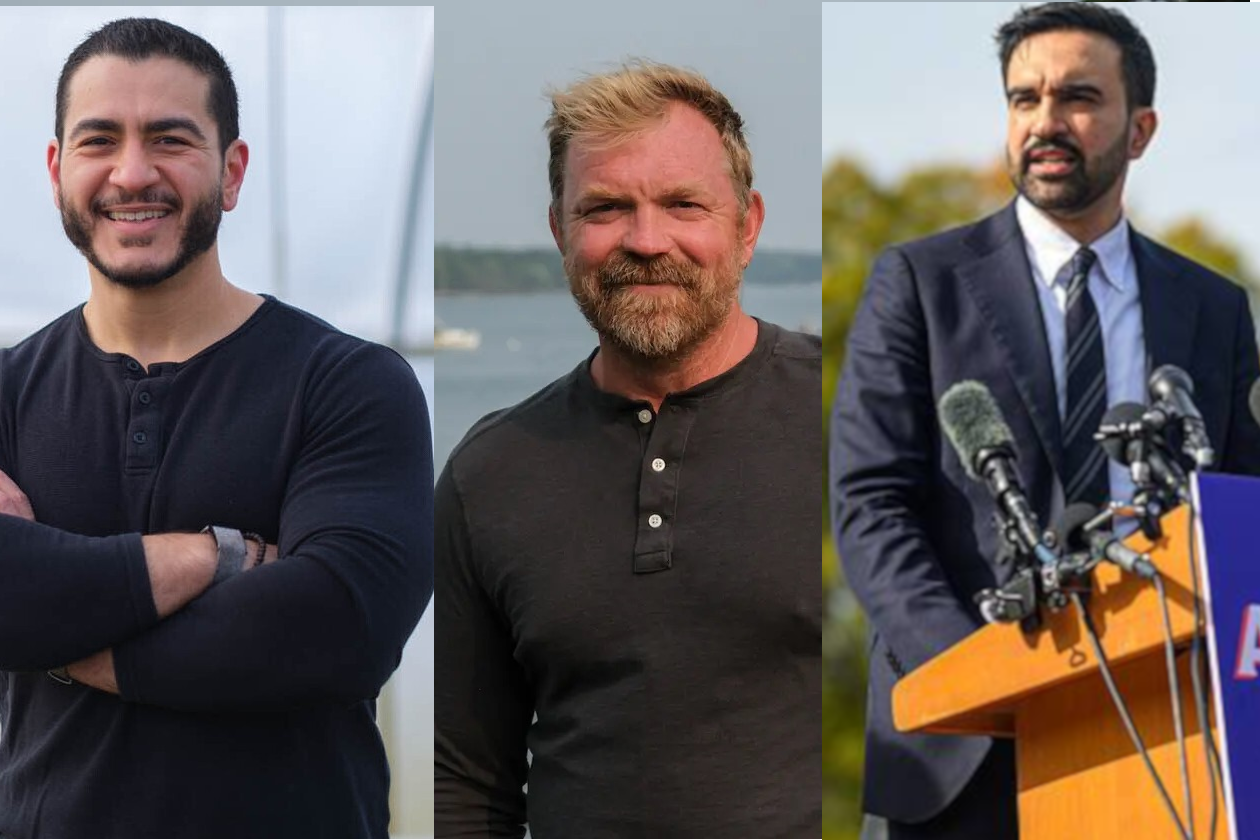
skyrocketing cost of living crisis, our neighbors being abducted, and violence being normalized, I wonder if these same friends now see what I saw all those years ago. That real anti-establishment isn’t found in clever rhetoric, but genuine conviction for change. Zohran Mamdani, Graham Platner, Abdul El-Sayed and many more have these convictions and have been not only on the rise but dominating their polls. Americans require one thing above all the other rhetoric. Hope. Trump made many feel hopeful and ripped that hope away with his self-centered convictions. Mamdani has only been giving New Yorkers more hope and he’s only been in office for a little over one hundred days. As Mainers we have a hopeful option in front of us as well, not in Collins or Mills, but in Platner.
It’s time we advocate for hope and ignore fear.
Categories: Uncategorized

