
By Ariel Worthing
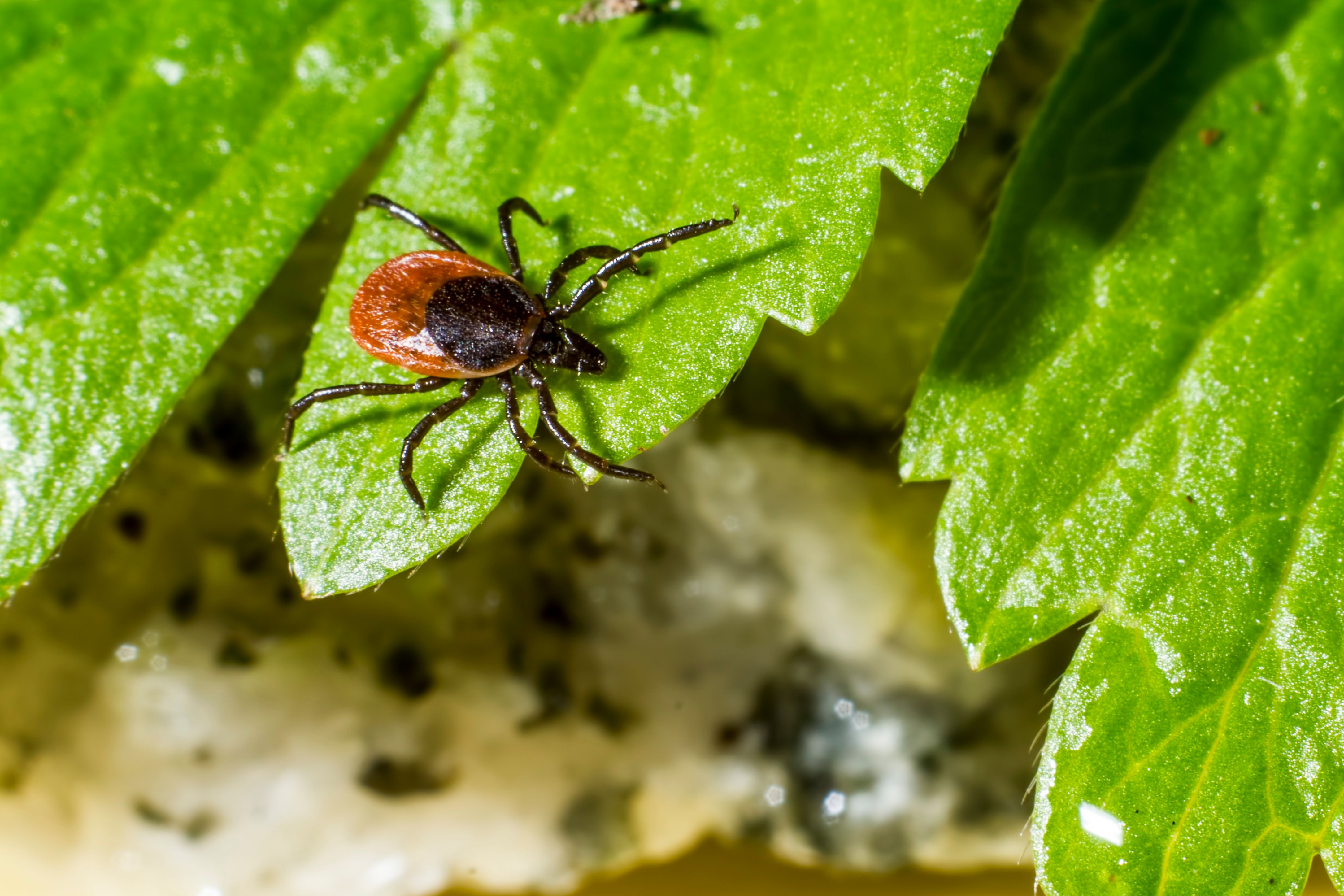
As most of us are getting ready to head back to school, summer is still under full swing and if years pass, show us anything, we will be able to enjoy the warmth of the summer, well into September. With more sunny days ahead, people will continue to spend more time outdoors with friends and family. Whether it’s a classic beach day or a scenic hike through the Maine woods, locals and visitors alike enjoy the sense of safety that comes with exploring this great state. Yet, there’s one small threat that often slips our minds—a danger lurking just outside: ticks.
Just the other day, a friend and I had planned to meet for lunch when she called me in a panic. After taking her dog for their usual walk, she returned home to discover both she and her dog were crawling with ticks. They both quickly jumped in the shower, and she ended up removing more than 50 ticks from the two of them—and that was only what she could find. Most Mainers have a tick story—whether it’s pulling one off ourselves, our children, or our pets, followed by a panicked trip to the ER.
According to the Maine CDC, midcoast Maine is currently experiencing the state’s highest rate of tick-borne illnesses, with some hospitals reporting new cases nearly every day. The number of reported cases has reached 946 and continues to climb as the continuing warmer weather draws more people outdoors. Lyme disease, in particular, poses serious health risks and can lead to a wide range of complications if left untreated.
So, how can we protect ourselves from this tiny threat? Start by wearing light-colored clothing, making ticks easier to spot. Opt for long sleeves and pants, and tuck your socks into your pants when spending time outdoors. Apply insect repellent, and stick to the center of trails to avoid brushing against tall grass and bushes. After your outdoor adventure, thoroughly check your body for ticks, take a shower, and dry your clothes on high heat for about 10 minutes. If you find an attached tick, use fine-tipped tweezers to grasp it as close to the skin as possible and pull straight up with steady, even pressure. Seal the tick tightly with tape or place it in a plastic bag, then call your doctor for guidance on the next steps.
Regardless of how much of a pain ticks can be, don’t forget to continue to get out there and enjoy the outdoors!
Categories: nature

